How is France's renewable energy doing right now?
"The transition toward sustainable energy requires a deep understanding of the geographic and historical landscape that shapes national policy and resource management."
France's energy landscape is shaped by its vast maritime territories and a growing reliance on renewable sources. This analysis explores the current status of renewable energy shares and the massive maritime jurisdiction that defines the nation's environmental footprint.
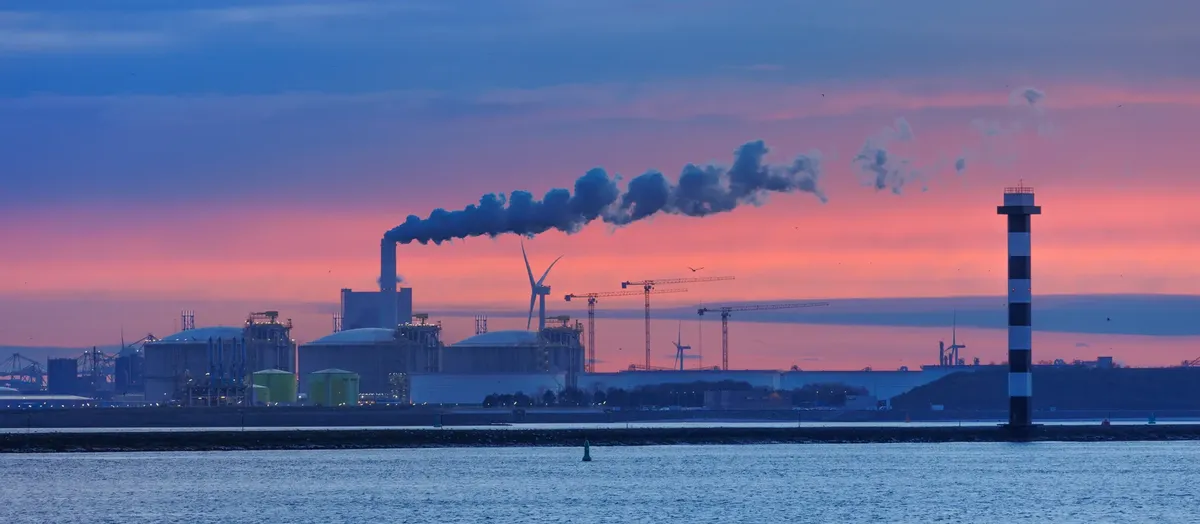
Key takeaways: 1. France recorded a renewable energy share of 16.2% of final consumption in 2021. * The nation holds the second-largest exclusive economic zone in the world. * Geographic diversity, including overseas territories, plays a critical role in maritime jurisdiction.
How is France's renewable energy doing right now?
At noon, the technician wipes sweat from her brow while watching the current flow of electricity through the solar panels in the sun-drenched field. Standing in the sun-drenched field at noon, the technician feels the heat while observing the current flow of electricity through the wires.
A technician monitors a solar array under a clear blue sky, checking the output levels against the daily forecast. This focus on shifting energy sources highlights the ongoing transition within the domestic power grid.
According to World Bank data, France recorded a renewable energy share of final consumption of 16.2% in 2021. This figure represents the portion of the nation's energy usage derived from renewable sources during that specific period.
Monitoring such shifts is essential for tracking progress toward long-term climate goals.
However, the effectiveness of these energy transitions can be limited when existing infrastructure cannot support rapid shifts in power generation. I will focus on the current status in this section.
How does the size of France influence its environmental reach?
A surveyor stands on a coastline, measuring the vast expanse of the sea that stretches toward the horizon. The sheer scale of the territory presents unique challenges for environmental management and resource protection.
The total land area of France, including its overseas departments and territories but excluding Adélie Land, is 643,801 km2 (248,573 sq mi), which accounts for 0.45% of the total land area on Earth. This landmass is composed of 18 integral regions, five of which are overseas.
The combined area of these regions spans 632,702 km2 (244,288 sq mi).
The impact of domestic policy remains limited when environmental challenges cross international borders. I will address the scale of influence here.
According to World Bank, the 2021 record includes 16.2%.
What's the deal with maritime boundaries and energy? A research vessel cuts through deep blue waves, navigating through waters that extend far beyond the sight of land. These maritime boundaries are central to the nation's global environmental and economic standing.
With numerous overseas departments and territories scattered across the planet, France possesses the second-largest exclusive economic zone (EEZ) in the world, covering 11,035,000 km2 (4,261,000 sq mi).
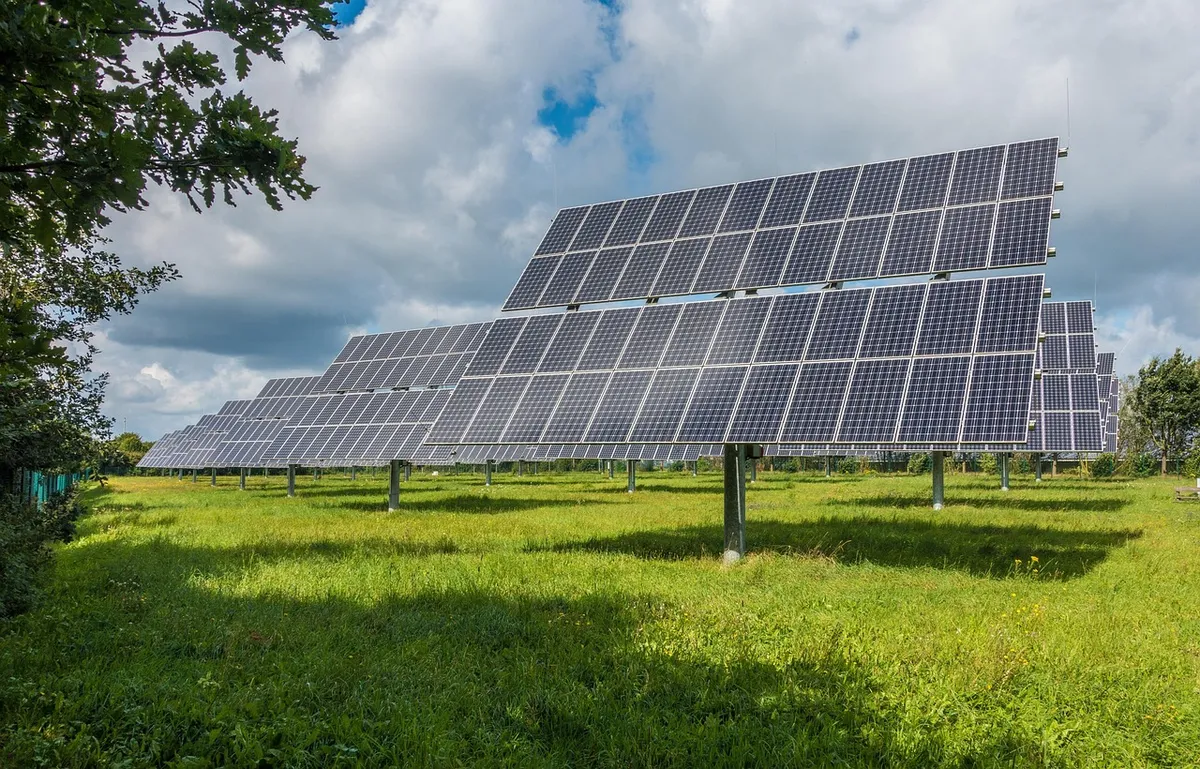
This massive jurisdiction provides the nation with significant influence over marine resources and environmental policies. The scope of this zone is a vital component of the France own renewable energy discussion.
The potential of these maritime resources is limited when technical constraints prevent deep-sea extraction. This section covers the spatial aspects of energy potential.
How do the overseas territories affect the EEZ?
An oceanographer gathers water samples from a remote island, far from the metropolitan coastlines. The vastness of the jurisdiction requires coordinated oversight across different hemispheres.
The nation's maritime influence is heavily bolstered by its overseas presence. France has 11,000,000 km2 (4,200,000 sq mi) of marine waters within three oceans under its jurisdiction, of which 97% are overseas. These waters represent a significant portion of the global maritime environment.
| Metric | Value |
|---|---|
| Renewable energy share (2021) | 16.2% |
| Total EEZ area | 11,035,000 km2 |
I noticed how the massive difference between the land area and the EEZ changes the scale of environmental management.
The influence of these territories is limited when local governance differs significantly from mainland regulations. I will discuss the territorial scope in this part.
What are the primary geographic features of the mainland?
A hiker climbs a ridge in the continental part of the country, looking out over the landscape. The internal geography provides the foundation for the domestic energy and water systems.
The continental part of the country covers about 1,000 km from north to south and from east to west. This area is part of an extensive river system consisting of the four major rivers: the Seine, the Loire, the Garonne, the Rhône, and their tributaries.
The combined catchment of these rivers includes over 62% of the metropolitan territory.
The influence of these features is limited when human-made infrastructure overrides natural topography. I will describe the landscape in this section.
France own renewable energy and environmental management
An environmental specialist reviews a map of the coastline, marking areas of high maritime activity. Planning for the future requires balancing land-based energy needs with maritime resource management.
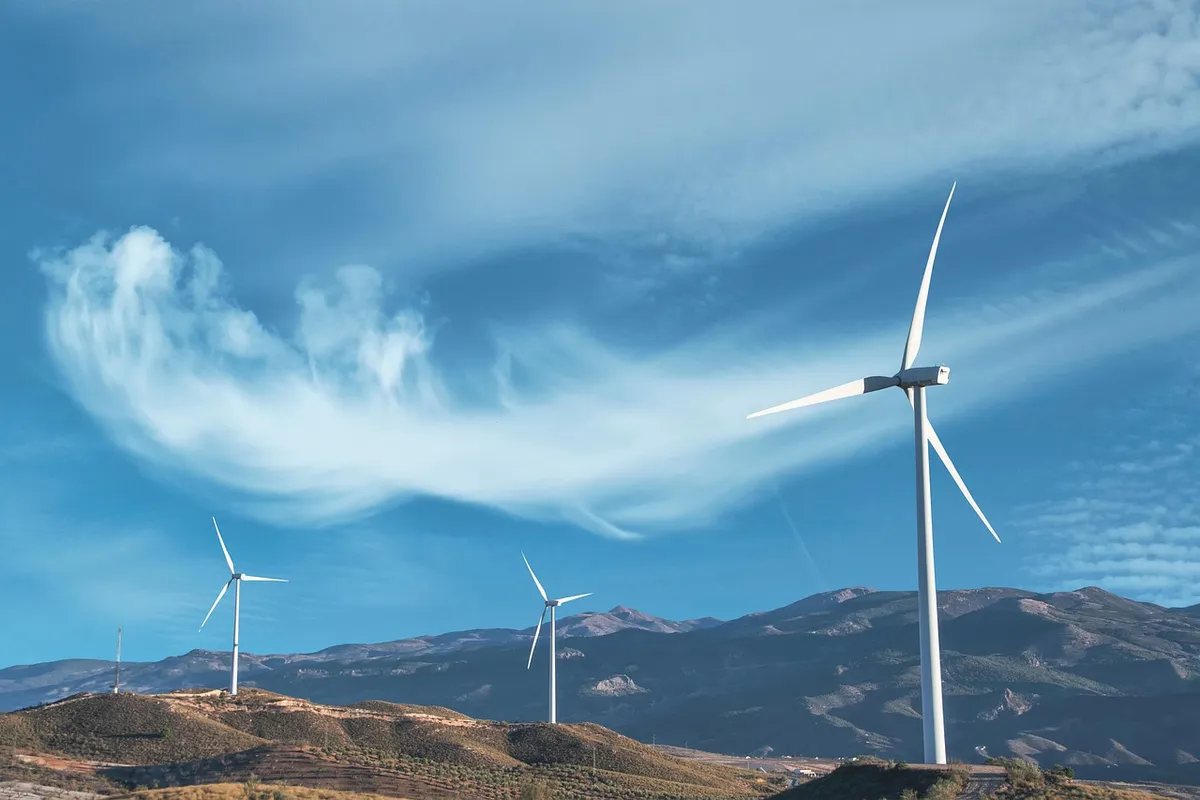
To understand the current environmental landscape, consider these factors: 1. Analyze the renewable energy share of final consumption to track transition progress. 2. Evaluate the impact of the 11,035,000 km2 exclusive economic zone on maritime policy. 3.
Account for the 18 integral regions, including five overseas, in regional planning. 4. Verify the total land area of 643,801 km2 when calculating terrestrial resource distribution.
The success of management strategies is limited when economic priorities conflict with ecological goals. I will conclude with the management overview.
- How is France's renewable energy doing right now?
- How does the size of France influence its environmental reach?
- What's the deal with maritime boundaries and energy?
France weekly environment energy
The subject here is France weekly environment energy.
France environmental policy analysis
Related
- What is the status of inflation in the French market?
- How did urban sports join the competitive stage?
How does the 16.2% renewable energy share compare to the total territory?
The 16.2% renewable energy share recorded in 2021 represents a specific portion of final consumption within the nation's energy usage.
When comparing this to the total land area of 643,801 km2, the figure highlights the portion of energy derived from renewable sources relative to the entire domestic consumption. This comparison helps in understanding the transition toward different energy sources within the 18 integral regions.
What is the relationship between the land area and the maritime jurisdiction?
The relationship between the 643,801 km2 land area and the 11,035,000 km2 exclusive economic zone shows a massive difference in scale. While the landmass includes five overseas regions, the maritime jurisdiction is much larger due to the overseas territories.
This scale requires a transition toward managing both the 632,702 km2 of combined regional area and the vast maritime waters.



Comments 0