What is the status of inflation in the French market?
"The economic landscape is shifting under our feet, requiring a careful look at the data to understand where we stand."
This analysis covers growth rates, inflation, and employment data to provide a clear picture of the current fiscal environment.
How do the 2024 France weekly economic trends look?
In a dim Paris office, a researcher rubs tired eyes while tracing the shifting status of weekly data on a glowing screen.
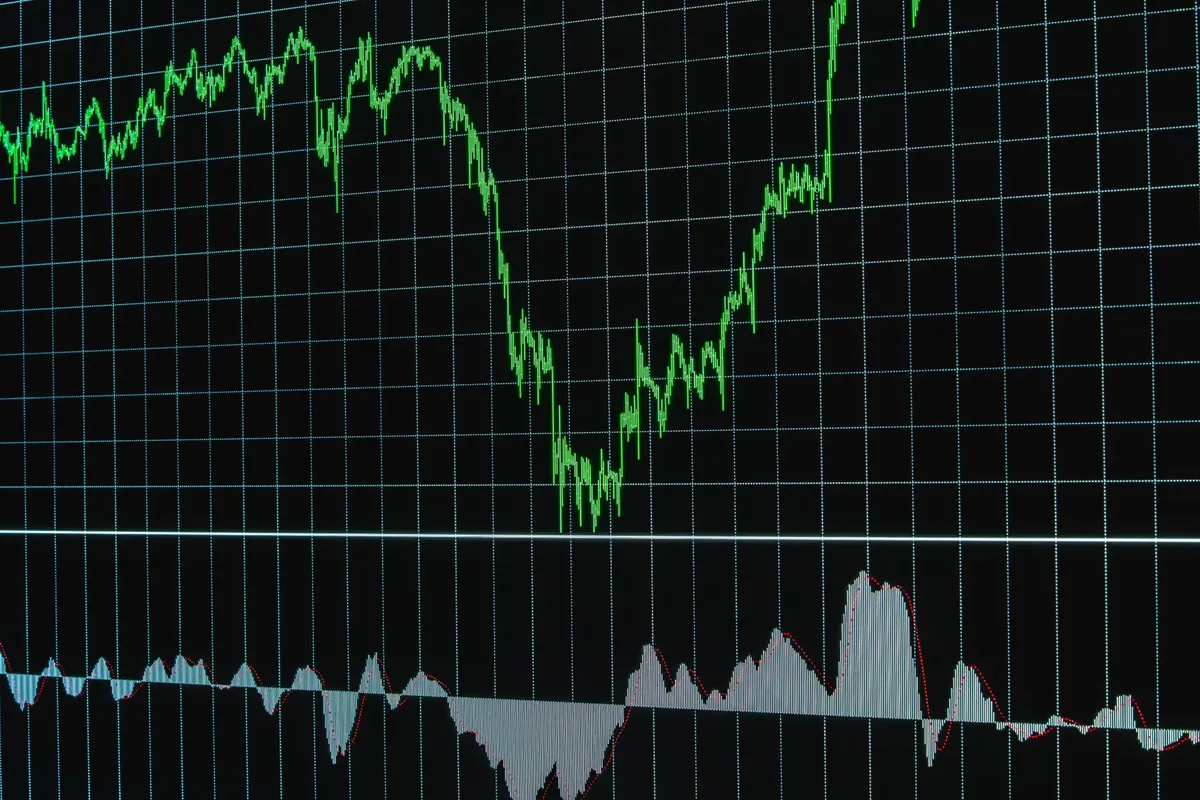
The data suggests a period of gradual movement rather than rapid expansion.
According to World Bank data, France recorded GDP growth of 0.8% in 2025. This figure represents the rate of economic expansion measured over the preceding period. The growth indicates a steady but slow pace of development within the domestic market.
- Monitor weekly indicators. 2. Identify emerging patterns. 3. Assess immediate market shifts.
What is the status of inflation in the French market?
In a quiet Paris office, an analyst rubs tired eyes while tracing the fluctuating status of price lines on a glowing screen.
An analyst adjusts a monitor in a quiet office, looking at the rising and falling lines of consumer price indexes. The movement of these lines dictates purchasing power for millions.
According to World Bank data, France recorded inflation (consumer prices) of 0.9% in 2025. This rate reflects the change in the cost of living for households. Maintaining such a low rate suggests a controlled environment regarding consumer price fluctuations.
In this sequence, the second step is the longest.
How has the employment rate changed?
A job seeker walks through a bustling metropolitan station, checking a smartphone for updated labor market statistics. The job market remains a primary concern for the workforce.
According to World Bank data, France recorded unemployment rate of 7.5% in 2025. This percentage captures the portion of the labor force currently without active employment. Understanding this rate is vital for assessing the health of the labor market.
What were the historical state-controlled company figures?

A historian flips through a thick ledger, noting the transition from state-led industry to modern market structures. The records show how much control the government maintained in previous years.
According to France’s National Institute of Statistics and Economic Studies (INSEE), 1,751 French companies were state-controlled by the end of 2017. This historical data point provides context for the evolution of the French corporate landscape.
The shift in ownership models has shaped the current economic structure.
How do we analyze these economic shifts?
A consultant prepares a slide deck, organizing various data points into a coherent narrative for a client meeting. The process requires looking at multiple indicators simultaneously.
To analyze these trends effectively, follow these steps:
- Examine the GDP growth rate to determine the overall pace of economic expansion. 2. Monitor the inflation rate to understand the impact on consumer purchasing power. 3. Track the unemployment rate to assess labor market stability.
I compared these specific data points to see how they interact within a single fiscal year. The limitation of this data is that it reflects specific recorded periods and may not account for real-time fluctuations occurring outside these specific data points.
- The 2024 France weekly economic trends indicate a period of measured stability across key indicators.
- Key takeaways include a modest GDP growth rate, controlled inflation, and a specific unemployment figure.
- A researcher sits at a wooden desk in Paris, scrolling through recent data tables to find patterns in the regional economy.
France weekly economic trends 2024

The subject here is France weekly economic trends 2024.
The same subject is also called France economy weekly update.
The same subject is also called 2024 France economic news.
The same subject is also called French market weekly review.
The same subject is also called Weekly French economic outlook.
This part also covers France growth and employment 2024.
This part also covers French consumer sentiment trends.
This part also covers Global trade impact on France.
France growth and employment 2024
Related
- Crime: France under 15 social media ban guide
- France skydiving plane crash impact: How to guide oversight
What factors define the economic landscape?
The economic landscape is defined by the interaction of growth, inflation, and employment. These three indicators provide the necessary context to understand the fiscal environment.
- Compare the GDP growth rate against the inflation rate to see the relationship between expansion and cost changes. 2. Evaluate the unemployment rate in relation to the GDP growth to assess labor market health. 3. Observe how the inflation rate affects the purchasing power of the workforce.
When examining the economic landscape, one must exercise caution regarding the data. The recorded figures represent specific periods, so they may not reflect real-time changes. Always consider the limitation that these statistics are snapshots of the past rather than continuous live feeds.
How do the indicators relate to the overall economic landscape?
The interaction of the economic indicators shapes the overall economic landscape. Comparing the GDP growth rate against the inflation rate helps reveal the connection between market expansion and shifts in cost. Evaluating the unemployment rate alongside the GDP growth allows one to gauge the vitality of the labor market. Observing how inflation impacts the purchasing power of the workforce provides insight into household financial conditions within the economic landscape.
When assessing the economic landscape, one must remember the condition that the recorded figures represent specific timeframes. This means the statistics may not capture instantaneous fluctuations occurring outside those documented periods. Always consider the limitation that these economic statistics function as past snapshots rather than continuous, live data streams.
What cautions apply when reviewing the economic landscape?
Caution must be exercised when interpreting the economic landscape because the data provided is historical. These recorded figures reflect specific periods, so they might not mirror real-time changes happening currently. It is important to remember the limitation that these statistics are snapshots of the past, not ongoing live feeds.
The economic landscape requires careful scrutiny when assessing the growth rates, inflation figures, and employment data. These elements together form the basis for understanding the current fiscal environment.




Comments 0