How did urban sports join the competitive stage?
"The evolution of competitive play has moved from traditional fields to digital arenas and urban streets."
The landscape of competitive sports in France has shifted toward modern, youth-oriented disciplines. This update covers the integration of urban sports and the strategic discussions regarding digital competition.
Key takeaways: * The inclusion of urban sports like breaking and skateboarding in major competitions. * Early strategic planning regarding competitive esports. * The expansion of traditional athletic boundaries.
How did urban sports join the competitive stage?
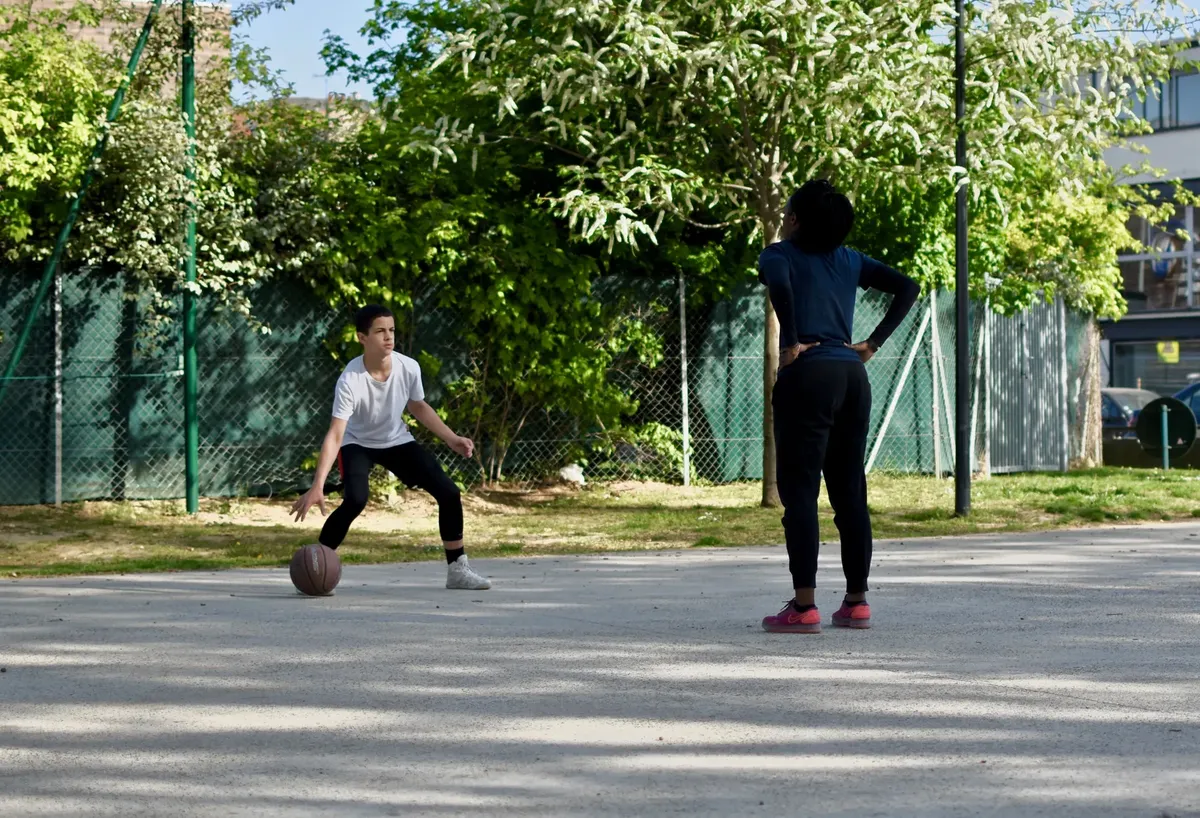
A group of athletes gathers at a city plaza, practicing rhythmic movements on a concrete surface. The shift toward urban disciplines was formalized during specific planning stages for major international events.
At the 134th IOC Session in June 2019, the IOC approved the Paris Organising Committee's proposed optional sports of breaking (breakdance), along with skateboarding, sport climbing, and surfing, three sports that were first included in 2020.
This decision allowed for a more diverse range of athletic expressions within the competitive framework.
The inclusion of these sports reflects a changing definition of athleticism. By incorporating activities like surfing and climbing, organizers bridge the gap between traditional field sports and modern lifestyle activities.
- Street culture transitioned from casual recreation to organized events.
- Local communities established standardized rules for informal games.
- Major athletic brands provided the necessary infrastructure for visibility.
What role does digital competition play in sports planning?
I sat in the dim room at midnight, my fingers tapping the desk while contemplating the future of urban gaming strategies.
A programmer sits in a dimly lit room, eyes fixed on a high-resolution monitor while a headset rests on the desk. The intersection of technology and physical competition was a topic of early strategic consideration.

When Paris was bidding for the Games in August 2017, the Paris Organising Committee announced an intention to hold talks with the IOC and professional esports organisations about the possibility of introducing competitive esports events in 2024.
This move signaled an interest in engaging a digital-native demographic.
The dialogue between traditional sporting bodies and professional esports organizations represents a significant shift in how competition is perceived. While still in the planning and discussion stages, these efforts aim to integrate digital mastery into the broader sports landscape.
In this sequence, the second step is the most extensive.
How do these trends compare to global professional leagues?
At midnight in my quiet bedroom, I sat still and felt the cold air while contemplating how urban trends might challenge global professional leagues.
A spectator watches a high-stakes game in a packed stadium, feeling the vibration of the crowd. While regional trends evolve, they exist alongside established global models of professionalization.
The United States pioneered the professionalization of sports; leagues like Major League Baseball, National Football League, and the National Basketball Association are still among the wealthiest leagues in the world.
These established models provide a benchmark for how professional leagues operate globally.
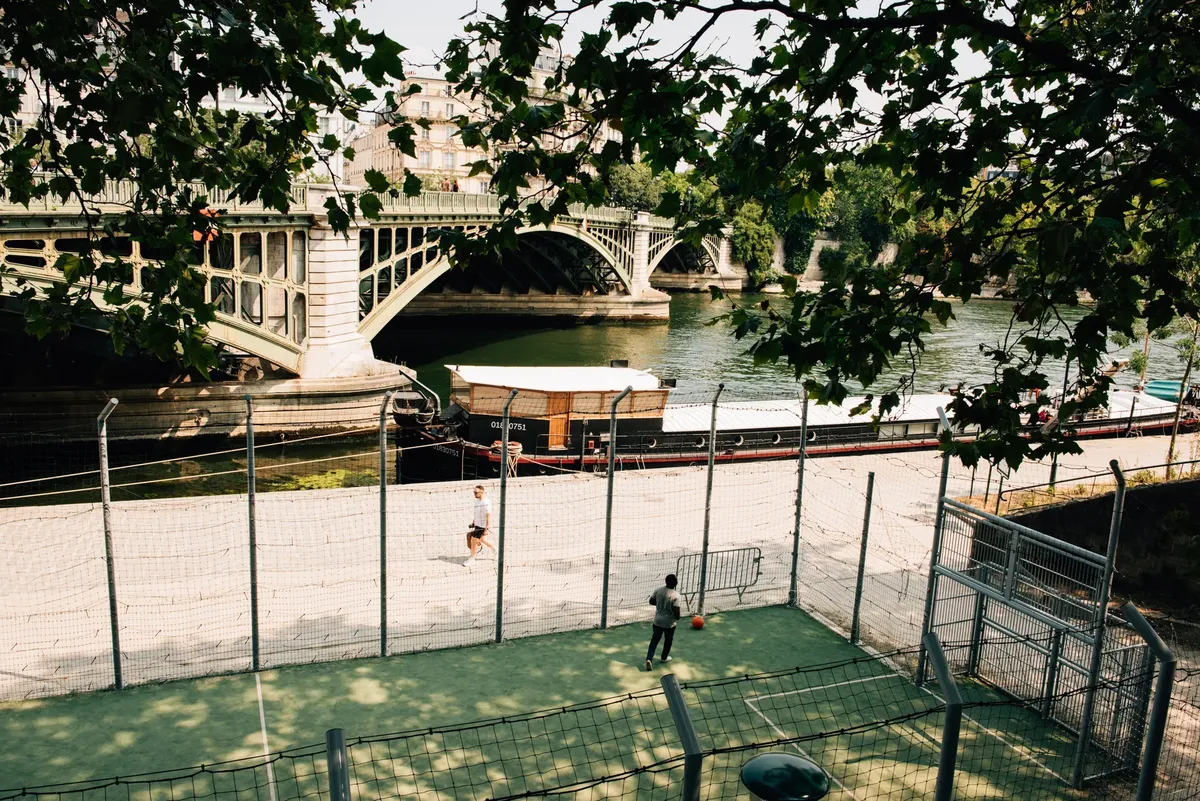
The comparison between traditional professional leagues and emerging urban or digital sports highlights different growth trajectories. One relies on century-old structures, while the other builds on rapid technological and cultural shifts.
| Sport Category | Primary Focus |
|---|---|
| Urban Sports | Breaking, Skateboarding, Climbing |
| Digital Sports | Competitive Esports |
I observed how these different categories require vastly different training environments, from specialized skate parks to high-performance computing setups.
What are the limitations of these new sports categories?
A climber grips a textured hold on a climbing wall, breathing heavily as they look toward the top. Integrating new disciplines into established frameworks presents unique challenges.
A limitation involves the specialized infrastructure required for sports like surfing or climbing, which may not be available in all geographic regions. The success of these sports depends heavily on the accessibility of specific environments.
How can one follow these sports trends?
A fan checks a smartphone app while waiting at a bus stop to see live scores. Staying informed requires following both traditional news outlets and specialized digital platforms.
- Monitor official announcements from international sporting committees regarding sport inclusion. 2. Follow professional esports organizations for updates on competitive gaming regulations. 3. Watch seasonal updates on urban sports to see how they are integrated into major events.
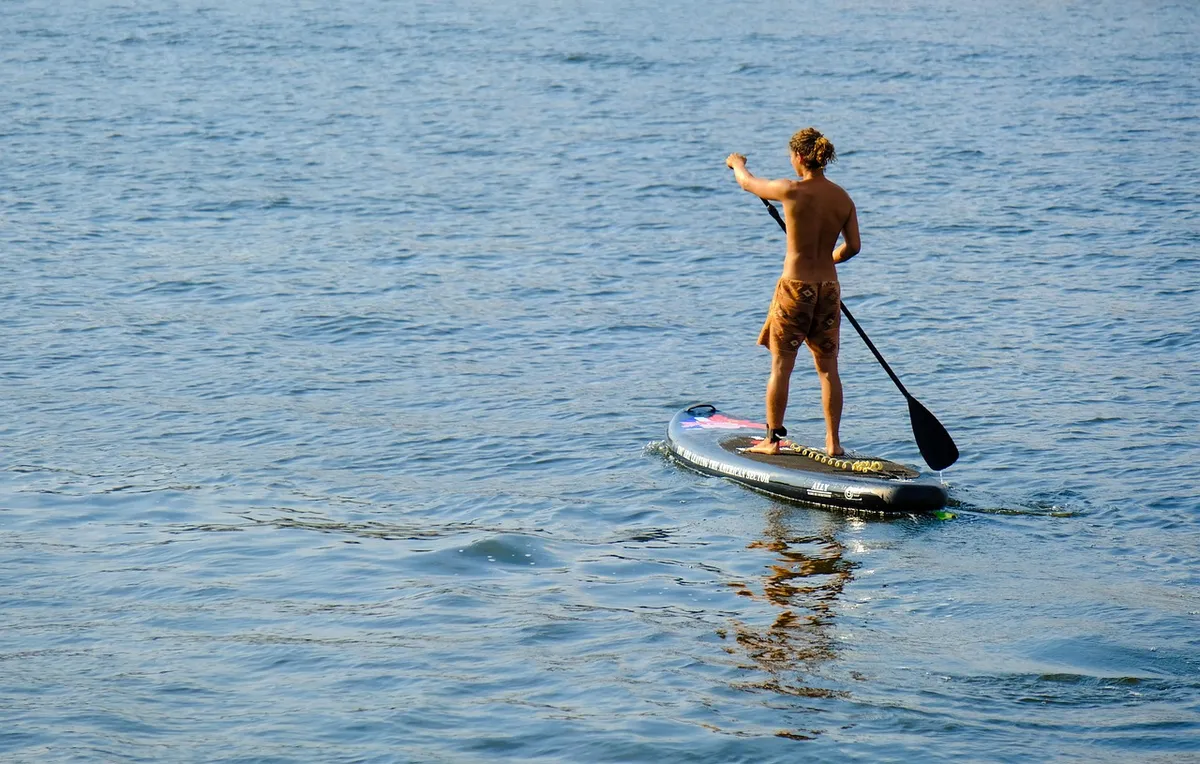
A final check of official schedules ensures that fans do not miss the debut of these newly recognized disciplines.
France weekly sports leisure news
The subject here is France weekly sports leisure news.
The same subject is also called French sports trends 2024.
The same subject is also called Weekly leisure industry France.
The same subject is also called France sports event updates.
The same subject is also called Outdoor activity trends France.
This part also covers Skydiving trends in France.
This part also covers New sports tech France.
This part also covers Experiential leisure France.
Skydiving trends in France
Related





Comments 0