France labor market trends: Inflation remains low at 0.9%
"The numbers tell a story of a nation navigating the delicate balance between growth and stability in a changing global landscape."
The French labor market shows signs of stability despite shifting economic pressures. Recent data indicates a moderate growth environment alongside controlled inflation and a specific unemployment rate.
* France recorded a GDP growth of 0.8% in 2025. * Inflation remained low at 0.9% in 2025. * The unemployment rate stood at 7.5% in 2025.
How do recent economic indicators shape the France labor market trends?

At sunset in a quiet office, the researcher rubs tired eyes while scanning reports that detail the changing France labor market trends.
A researcher sits at a wooden desk in Paris, reviewing printed reports on the latest economic shifts. The data points to a landscape where growth is present but measured.
According to World Bank data, France recorded GDP growth of 0.8% in 2025. This expansion suggests a steady, albeit slow, upward movement in the national economy.
The stability of the economy is further reflected in price levels. According to World Bank data, France recorded inflation (consumer prices) of 0.9% in 2025.
Such low inflation often impacts purchasing power and job security. These factors combined create the current atmosphere for the France labor market trends.
How are French job market changes affecting employment? A job seeker grips a cold coffee cup in a crowded terminal while scrolling through updates regarding French job market changes in France.
A job seeker walks through a bustling terminal, checking digital updates on a smartphone. The search for stability is a common theme among the workforce.
The employment landscape remains a central focus for policymakers and workers alike.
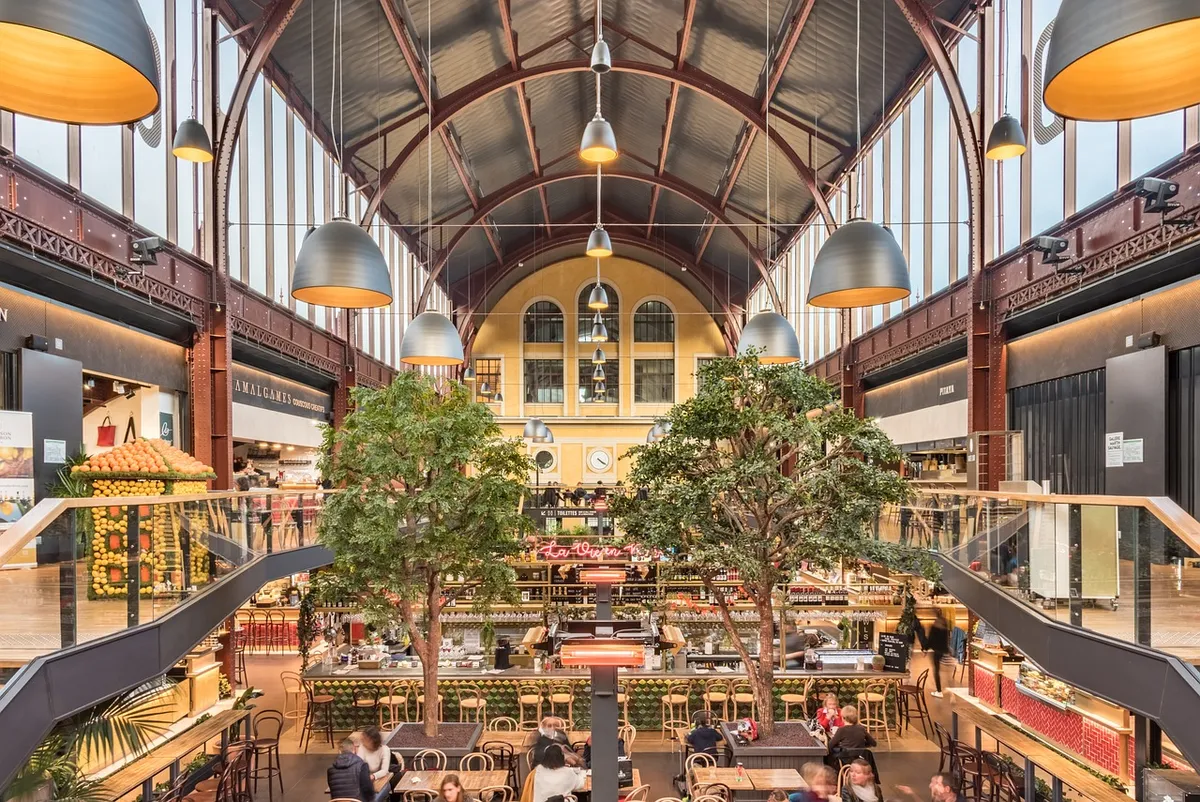
This rate represents the portion of the workforce actively seeking engagement. Understanding these shifts is essential when analyzing French job market changes.
The balance between available roles and the active workforce defines the current tension. This tension shapes how industries recruit and retain talent.
According to World Bank, the 2025 record includes 0.8%.
How can we analyze weekly labor issues France through economic data?
An economist adjusts their glasses while looking at a digital dashboard of various economic indicators. They look for patterns in the fluctuating numbers.
The relationship between growth and employment is critical for long-term stability. When growth is low, the pressure on the job market can intensify.
The 0.8% growth rate provides a backdrop for these shifts. This context is necessary for anyone attempting to address weekly labor issues France.
Economic shifts are rarely isolated from the broader fiscal environment. The interaction between inflation and unemployment dictates the pace of the economy.
What do France's employment shifts mean for my future? A young professional prepares for an interview in a quiet cafe, reviewing notes on market dynamics. The future of work is a constant topic of conversation.
The movement of workers between sectors can signal deep structural changes. These transitions are often the result of long-term economic trends.
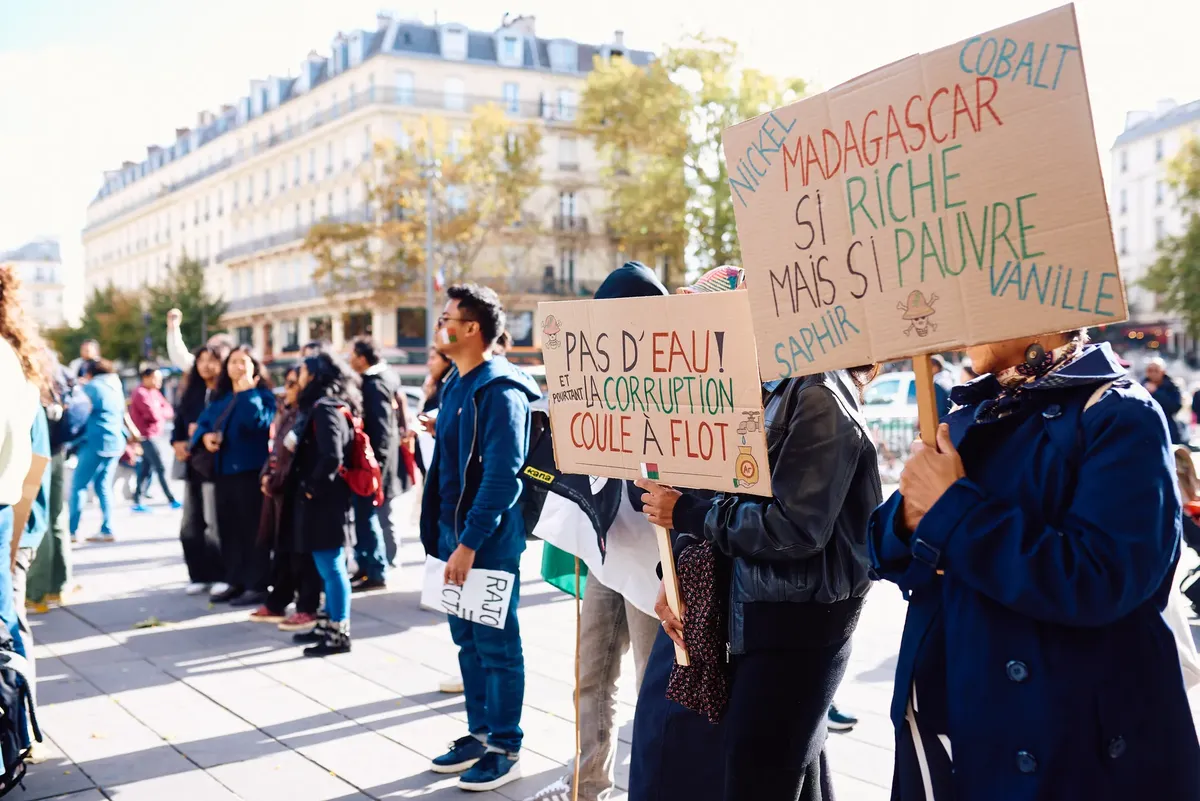
A 7.5% unemployment rate suggests a specific level of labor availability. Such figures are vital when observing France employment shifts.
The ability of the economy to absorb workers remains a key metric. Policy decisions often react to these changing employment levels.
What is the impact of economic news on France labor market stability?
An analyst reads a news headline on a tablet, considering the potential for market volatility. The news serves as a catalyst for immediate reaction.
Economic news can trigger sudden changes in hiring practices and consumer confidence. Sudden shifts in data can lead to rapid adjustments in the workforce.
The 0.9% inflation figure provides a sense of price stability for now. This stability helps mitigate the immediate impact of economic news on France.
Staying informed allows businesses to prepare for fluctuations. The interplay of these variables defines the current economic climate.
Analyzing French worker trends through the lens of historical data
A historian examines old archives, comparing past economic structures to the present. They look for the roots of modern economic behavior.
The current economic state is built upon decades of policy and structural development. Understanding the past helps in interpreting modern movements.
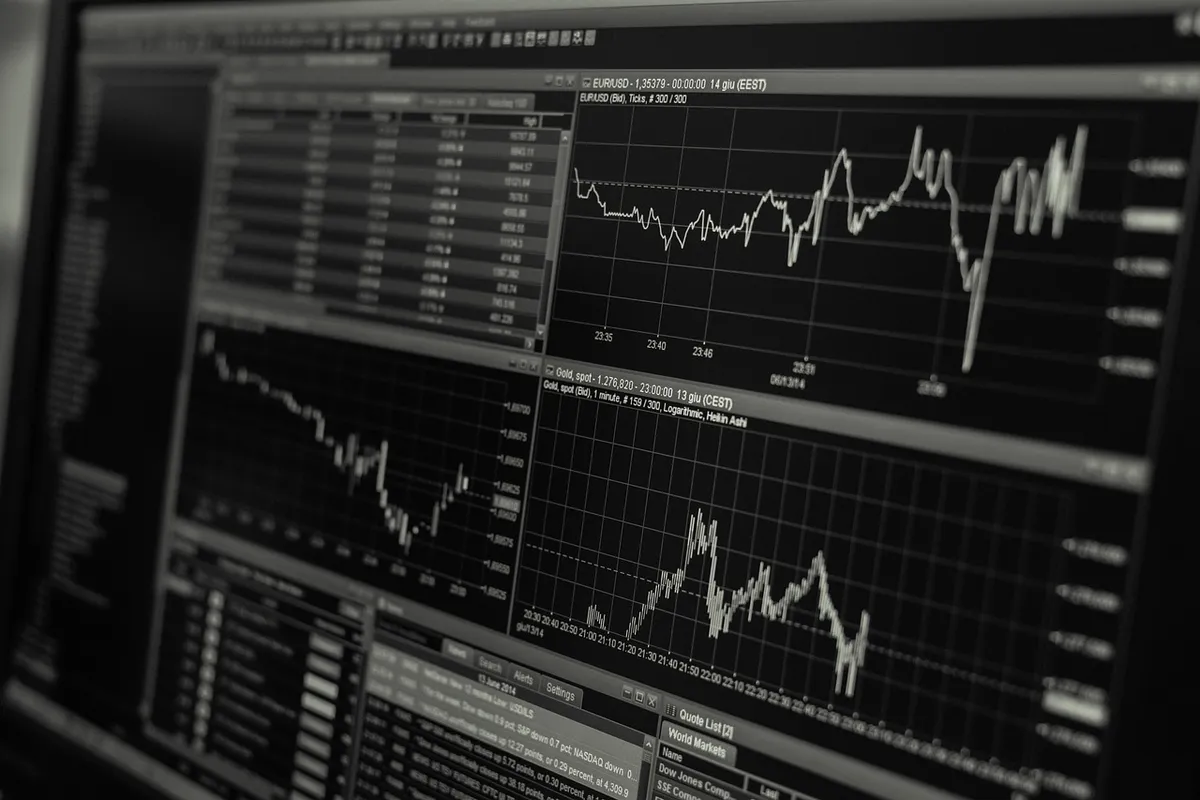
The interaction of growth and unemployment provides a snapshot of the present. This snapshot is essential for analyzing French worker trends.
While the data provides a clear picture, it is limited to the specific figures provided for the 2025 period.
- How do recent economic indicators shape the France labor market trends?
- What is the current state of employment with French job market changes?
- How can we analyze weekly labor issues France through economic data?
The same subject is also called Labor market news France.
This part also covers Recent labor disputes in France.
Related
- France weekly industry trends: unemployment rate 7.5% why
- What are the economic trends for French Guiana?
What factors define the current economic landscape?
The economic landscape is defined by the specific relationship between growth, inflation, and unemployment. These numbers tell a story of how the nation manages stability.
- Compare the 0.8% GDP growth to the 7.5% unemployment rate to understand the labor availability.
- Observe how the 0.9% inflation rate compares to the growth rate to assess purchasing power.
- Monitor the interaction between these three indicators to identify shifts in the workforce.






Comments 0