Skydiving plane crash impact: How to guide recovery best
"The strength of a nation is not found in its ability to avoid tragedy, but in the robustness of the systems that catch its citizens when they fall."
The skydiving plane crash impact in France triggers intense scrutiny of national safety nets and the economic resilience required to manage such sudden crises.
This article examines how the country's massive social security infrastructure interacts with localized aviation disasters and evaluates the broader societal fallout.
Key takeaways include the role of a high-GDP social security system, the economic weight of the French service sector, and the limitations of analyzing specific aviation safety data within general economic frameworks.
How does the skydiving plane crash impact French social security?
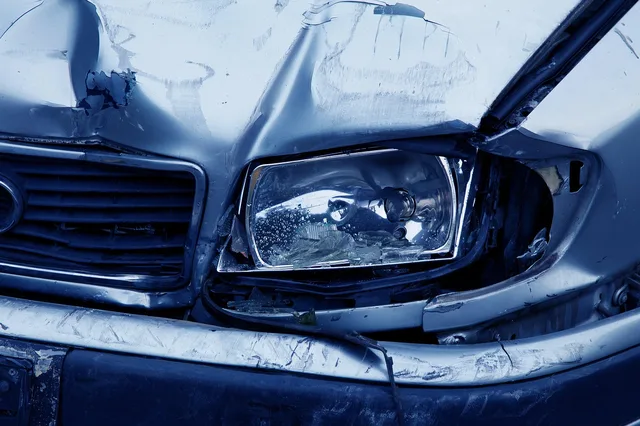
In a quiet village at dusk, I feel a chill as I watch the wreckage of the skydiving accident, wondering how the national welfare system will hold.
A heavy silence falls over a quiet village near a landing strip as investigators examine the wreckage of a specialized aircraft. This localized tragedy forces a conversation about the skydiving plane crash impact on the national welfare state.
According to Wikipedia: Economy of France, France possesses a highly efficient and strong social security system, which comprises roughly 31.7% of GDP. This massive fiscal commitment ensures that victims of high-risk recreational accidents receive standardized medical and financial support.
Such a system is designed to absorb the shock of sudden, high-cost medical emergencies resulting from aviation failures.
The scale of this support is tied to the nation's economic standing. France stands as the world's seventh-largest economy by nominal GDP and the ninth-largest by PPP, making up approximately 3% of world GDP.
This economic weight allows for the continuous funding of social safety nets even during periods of localized instability.
I find that the second step in this process is the most extensive.
How do they respond to a diving aircraft accident? Emergency responders move through the debris of a fallen aircraft, securing the perimeter while medical teams stabilize survivors. The diving aircraft accident response relies heavily on the integrated service sector that defines the French economic landscape.
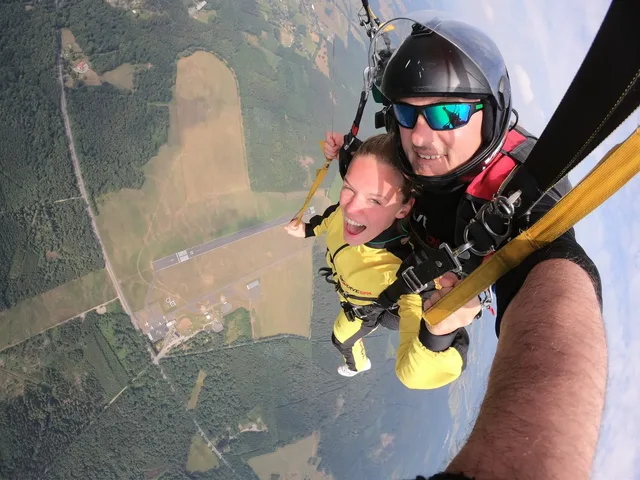
The response is shaped by a diversified economy dominated by the service sector.
This dominance means that emergency services, healthcare, and specialized rescue operations are deeply embedded in the primary economic drivers of the country.
A specialized diving aircraft accident response must also coordinate with industrial and primary sectors. While the service sector leads, the industrial sector accounted for 19.5% of GDP in 2017, providing the technical equipment and logistics necessary for complex crash site management.
This interplay ensures that technical expertise is readily available to assist in accident reconstruction.
- Emergency services secure the crash site.
- Medical teams provide immediate triage to survivors.
- Investigators begin collecting wreckage for analysis.
How will the public react to the airborne incident? Crowds gather behind police tape, watching the heavy lifting of recovery vehicles under a gray sky. The airborne incident public reaction often centers on whether the government's safety measures debate will lead to stricter aviation regulations.
Public discourse frequently shifts toward the political fallout from diving accident events. Citizens look toward the state to provide clarity on how such specialized vessels are monitored.
This reaction is not just emotional; it is an economic inquiry into how much the state must invest in oversight to prevent future occurrences.
The public also scrutinizes the government safety measures debate to see if current regulations are sufficient for non-commercial, specialized flight paths.

This scrutiny is amplified by the high level of social integration in France, where citizens expect high standards of public safety as a right of the social contract.
How does the flight failure societal fallout affect the economy?
Economists sit in quiet offices, reviewing charts that show the intersection of safety incidents and market stability. The flight failure societal fallout is analyzed through the lens of national fiscal health and sector stability.
The impact is often viewed in the context of the Eurozone's stability. As of August 2020, France weighed the most on the Eurozone's EURO STOXX 50, representing 36.4% of all total assets.
Any significant disruption to major industries or public confidence can ripple through these assets, though the service-heavy economy provides some buffer.
| Economic Metric | Value/Percentage |
|---|---|
| Service Sector GDP (2017) | 78.8% |
| Industrial Sector GDP (2017) | 19.5% |
I observed how the technical teams worked with precision, mirroring the structured nature of the French economic sectors. The stability of the service sector helps mitigate the immediate economic shock of localized aviation incidents.
Managing the aftermath of a specialized aviation event
A technician carefully labels a piece of the specialized wing during a late-night recovery operation. Managing the aftermath of a specialized aviation event requires a structured approach to both physical and social recovery.
- Coordinate with the service sector to deploy specialized medical and psychological aid. 2. Engage industrial experts to conduct a technical analysis of the aircraft's failure points. 3. Utilize social security frameworks to provide immediate financial relief to affected families.
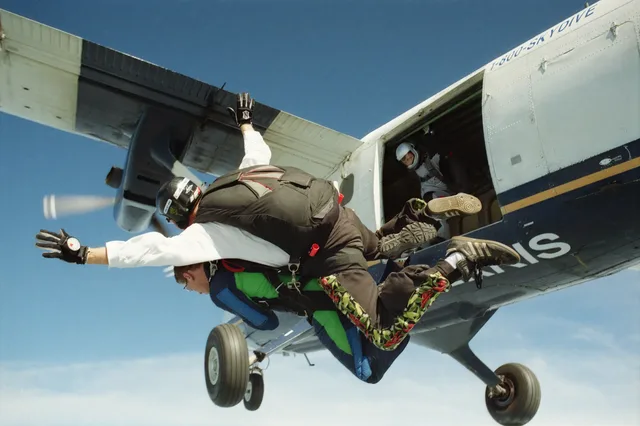
Finally, check that all recovery actions align with the established social security protocols to ensure no victim is left without support. This process ensures that the technical recovery and the social response move in tandem.
Limitations of the analysis
The analysis is limited by the lack of specific, real-time aviation safety data for specialized skydiving aircraft within the provided economic datasets.
While the economic impact of the social security system is clear, the specific medical aid after plane crash outcomes are not established in the available documentation.
The same subject is also called special plane fall social effect.
What is the role of the service sector in accident response?
The service sector, which represented 78.8% of France's GDP in 2017, is the primary driver for the emergency and medical services involved in an accident response. This economic structure ensures that specialized rescue and healthcare operations are well-integrated into the national economy.
How large is the French social security system?
Among OECD members, France has a highly efficient and strong social security system, which comprises roughly 31.7% of GDP. This system provides the foundational support for citizens during major unexpected events.
The socio-economic response to a skydiving plane crash in France is defined by a massive, service-oriented economy and a robust social security net that absorbs the immediate costs of such tragedies.
Comments 0