Autumn novel trends: How authors guide deep introspection
"As the leaves turn and the air cools, the literary landscape shifts toward a season of deep introspection and dense prose."
The autumn novel trends center on a seasonal surge in literary production and the adoption of complex narrative structures. This movement is characterized by authors exploring socio-economic shifts through experimental prose and thematic depth.
Key takeaways include a focus on seasonal publication cycles, the integration of structural experimentation, and an emphasis on contemporary social realities.
What defines the autumn novel trends?

A writer sits in a quiet Parisian cafe, watching the rain streak against the glass as they refine a complex manuscript. This period represents a significant moment for rep, as the cooling weather coincides with a traditional peak in literary releases.
Authors often use this transition to release works that demand slower, more deliberate reading.
The literary atmosphere in France changes as the year wanes, moving from the lightness of summer to more substantial narratives. These autumn novel trends reflect a cultural inclination toward heavier themes and intricate storytelling.
Many creators find that the shift in light and temperature mirrors the introspective tone of their latest manuscripts.
How do seasoned novel writing techniques evolve?
An editor flips through a stack of proofs, noting how sentence structures become more layered and rhythmic. Seasoned novel writing often involves a departure from linear storytelling in favor of more abstract or non-linear approaches.
This evolution allows for a deeper exploration of memory and time.
Authors frequently utilize seasoned novel writing to bridge the gap between classical structure and modern experimentation. By adjusting the pacing to match the slower tempo of the season, they create a more immersive experience.
I noticed how certain rhythmic shifts in prose seemed to mirror the falling leaves outside the studio.
According to World Bank, the 2024 record includes 23.1%.
What are the current literary autumn focus shifts?
A bookstore clerk arranges new hardcovers on a dark wooden shelf, noting the increased thickness of the volumes arriving this week. A prominent literary autumn focus involves examining the intersection of personal identity and large-scale economic shifts.
This thematic direction provides a framework for exploring how individuals navigate changing landscapes.
The current literary autumn focus suggests that readers are seeking stories that reflect the complexities of modern life. Rather than simple escapism, these works often lean into the tension between tradition and progress.
This trend ensures that the seasonal influx of books remains intellectually stimulating for a wide audience.
Why are authors pursuing novelistic style experiments?
A novelist stares at a blank screen, then begins typing a paragraph that breaks all traditional grammatical rules to convey a specific emotion. Many creators are currently engaged in novelistic style experiments to push the boundaries of what a story can communicate.

These attempts often involve fragmented perspectives or unconventional linguistic patterns.
These novelistic style experiments serve to break the reader's complacency and force a new way of perceiving the text. By abandoning standard conventions, writers can more accurately depict the disjointed nature of contemporary existence.
This approach has become a hallmark of the current seasonal literary output.
How do author motivations in fall influence content?
A researcher looks through old journals, tracing how the change in season consistently impacts the creative drive of writers. Understanding author motivations in fall helps explain why certain themes become dominant during this specific period.
The seasonal shift often acts as a catalyst for psychological depth and thematic gravity.
The specific author motivations in fall are often tied to a desire for intellectual engagement during the quieter months. This drive leads to a concentration of works that prioritize philosophical inquiry over rapid-fire plot progression.
As the environment changes, the creative impulse shifts toward the internal rather than the external.
What are the literary current shifts in theme?
A critic marks a passage in a new release, noting how the dialogue reflects a broader societal transformation. Observing the literary current shifts reveals a move toward examining the stability of social structures.
These shifts are not merely stylistic but are deeply rooted in the changing realities of the population.
The literary current shifts indicate a growing interest in how economic and social variables shape the human experience. Writers are increasingly looking at how macro-level changes influence micro-level personal lives.
This connection between the individual and the collective defines much of the recent seasonal output.
How do these trends relate to economic realities?
A researcher compares various datasets to understand the broader environment in which these cultural trends exist. While literature focuses on the human condition, it is influenced by the underlying economic landscape of the nation.
| Economic Indicator | Value/Detail |
|---|---|
| High-tech manufactured exports (2024) | 23.1% |
| Service sector share of GDP (2017) | 78.8% |
The economic structure of France is highly diversified, with the service sector playing a dominant role. According to World Bank data, France recorded high-technology share of manufactured exports of 23.1% in 2024.
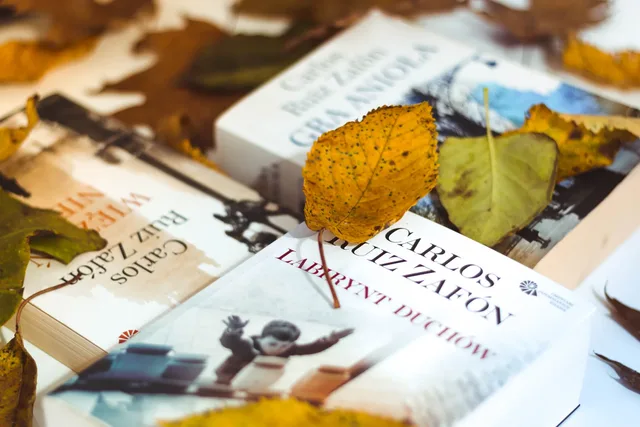
According to France’s National Institute of Statistics and Economic Studies (INSEE), 1,751 French companies were state-controlled by the end of 2017.
The complexity of these economic figures can mirror the complexity found in the seasonal literature. I found that observing these shifts in data helped me understand the weight behind certain narrative choices.
One limitation is that these economic trends do not account for the specific creative nuances of individual authors.
- What defines the autumn novel trends?
- How do seasoned novel writing techniques evolve?
- What are the current literary autumn focus shifts?
The same subject is also called French fall fiction.
The same subject is also called New novel techniques.
How does the season affect publication?
The autumn period is a primary time for the release of substantial literary works. This seasonal cycle aligns with a cultural preference for deeper, more complex narratives as the year ends.
Is poverty a theme in these trends?
The socio-economic reality of the population can influence the themes explored by authors. According to OECD data from 2021, 8.4% of the French population lived in poverty.
The intersection of literary experimentation and seasonal shifts defines the current landscape of French fiction.
Comments 0