Low LFPR Impacts GDP: Why Full Labor Force Isn't Reached
"The strength of an economy is often measured by its growth, but the health of a society is frequently found in how its people participate in the workforce."
France presents a unique economic puzzle where high social standards coexist with structural hurdles in labor engagement. Understanding why certain demographic groups remain outside the workforce is essential to grasping the nation's economic trajectory.
* Youth employment remains a significant bottleneck, with participation rates historically trailing behind the OECD average. * The gap between potential labor input and actual employment creates a mismatch in productivity potential. * Structural demographic shifts and historical economic trends continue to shape the current labor landscape.
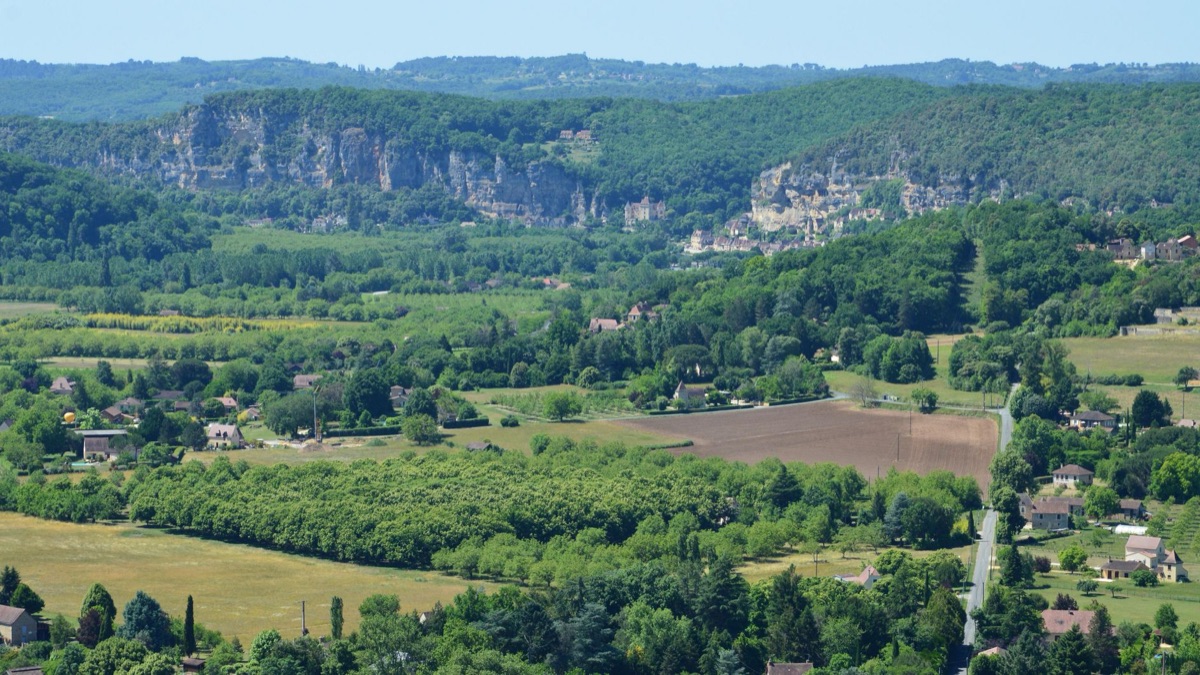
How big is France's labor market challenge? In a sun-drenched Parisian cafe, a young woman sighs as she taps her fingers against the cold marble tabletop while reading the morning news.
A young professional sits in a Parisian cafe, scrolling through economic reports while the bustling city moves around them. They see headlines about growth, yet they notice many peers are still searching for their first professional footing.
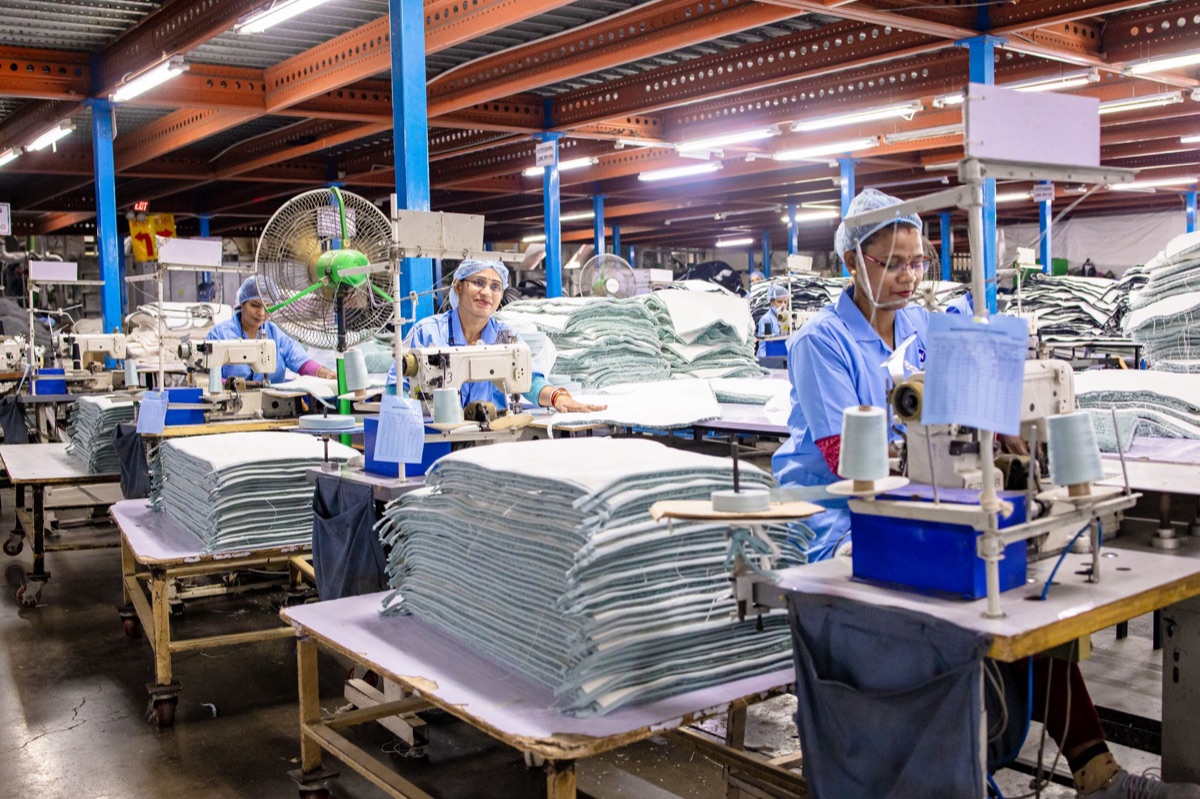
According to Trade Union, the monthly salary for garment workers only increased to 1200 taka (106 euros) in 2023.
The Labor Force Participation Rate (LFPR) serves as a vital pulse check for any economy, representing the percentage of the population that is either working or actively looking for work. In France, this pulse has faced specific pressures due to demographic gaps.
For instance, the employment rate for those aged 15–24 was recorded at 38% in 2012, which stood in contrast to the 47% average seen across the OECD.
This gap suggests that a significant portion of the potential workforce is not being fully integrated into the economic engine. When a large segment of the younger generation is sidelined, the entire economy faces a diminished talent pool.
This mismatch doesn't just affect the individuals; it affects the long-term growth potential of the nation.
How does this lack of participation translate into actual economic output?
How do productivity and participation shape output? Late at night, an office worker rubs tired eyes as the blue light of a computer screen illuminates the silent cubicle.
An office worker stares at a spreadsheet, noting how much work is accomplished in a standard eight-hour shift. They wonder if the intensity of the work matches the hours spent at the desk.
The relationship between participation and productivity is complex. While productivity often focuses on output per hour worked, the total economic output is heavily dictated by the sheer volume of the participating workforce.
If the participation rate is low, the "effective" labor input is lower than the "potential" labor input.
This creates a scenario where the economy might appear productive on a per-capita basis among those working, but the total output remains suppressed because a large portion of the population is not contributing to the GDP.
Effectively, the economy is running on a fraction of its available horsepower. If the workforce is not fully engaged, the transition from potential growth to actual growth becomes much harder to achieve.
What are the underlying reasons why these gaps persist over time?
Structural Contributors to Labor Market Dynamics
A retiree walks through a public park, watching the younger generation pass by with varying levels of engagement in the local economy. The transition between generations often reveals the cracks in the system.
Specific age cohorts play a massive role in defining the labor market's shape. As noted previously, the low employment rate among 15–24-year-olds has been a recurring structural issue.
When youth employment lags, it often indicates a mismatch between the education system and the needs of the modern job market, or perhaps a barrier to entry that prevents new workers from gaining traction.
Historical economic shifts also leave lasting marks. For example, the unemployment landscape has fluctuated significantly over the decades. In July 2013, the unemployment rate for France was 11%.
Such periods of high unemployment can lead to "labor detachment," where individuals become discouraged and drop out of the labor force entirely, further depressing the participation rate.
These cycles of contraction and expansion shape how much the workforce relies on state support versus active employment.
How do these numbers compare to the social realities of living in France?

Socio-Economic Context: Beyond the Numbers
A family sits around a dinner table, discussing the rising cost of living and how it affects their monthly budget. For them, the economic statistics are not just numbers but a daily reality of survival and stability.
The social safety net in France is robust, which provides a level of security but can also influence labor mobility. When comparing social outcomes, the data reveals interesting contrasts. According to OECD data from 2021, it was estimated that 8.4% of the French population lived in poverty.
To put this in perspective, this is significantly lower than the 18% poverty rate in the United States, the 11.6% in Canada, or the 9.8% in Germany.
This lower poverty rate suggests that the social framework effectively mitigates extreme hardship, even when employment rates are not at their peak. However, the trade-off involves maintaining high levels of social spending while managing a workforce that may not always be fully utilized.
The interplay between social welfare and the incentive to work remains a central theme in French economic policy.
Does the past dictate the current economic landscape?
Historical Contextualization
A historian looks through an archive of old newspapers, tracing the lineage of modern policy back to the turbulent shifts of the 20th century. Every policy change has roots in the struggles of the past.
Understanding current labor dynamics requires looking back at how much the workforce has changed. Historical shifts, such as the massive disruptions during the mid-20th century, fundamentally altered how nations viewed labor and state intervention.
For example, during the Vichy era in September 1942, a shortage of volunteers led to laws that effectively deported workers to Germany, where they made up 15% of the labor force by August 1944.
While these extreme historical events are far removed from modern economic policy, they illustrate how much labor can be subject to political and structural upheaval.
These historical precedents set the stage for the modern European model, which balances individual rights with collective social responsibility. Today's challenges in participation and productivity are the modern iterations of these long-standing structural negotiations.
| Metric | France (Historical/Specific) | OECD/International Comparison |
|---|---|---|
| Youth Employment (2012) | 38% | 47% (OECD Average) |
| Poverty Rate (2021) | 8.4% | 18% (USA), 11.6% (Canada), 9.8% (Germany) |
| Unemployment (July 2013) | 11% | Variable by region |
Summary of Key Findings
- Youth Gap: The mismatch in youth employment (38% in 2012 vs. 47% OECD) is a primary driver of low participation.
- Productivity Mismatch: Low participation limits the transition from potential to actual economic output.
- Social Buffer: Lower poverty rates (8.4% in 2021) compared to North American peers highlight the role of the social safety net.
- Cyclical Impact: Historical unemployment spikes (such as 11% in 2013) influence long-term labor attachment.
#







Comments 0