Cooling Divide: How AC Became a Political Battleground Now
"Comfort is no longer just a personal choice; it has become a battlefield for the future of our planet."
The rise of air conditioning units in France has transcended mere comfort, becoming a flashpoint in a broader national debate concerning energy consumption, social equity, and political management.
As heat waves become more frequent, the question of how to stay cool without destroying the climate has moved from the living room to the halls of government.
Key Takeaways * The installation and use of cooling technology are polarizing segments of French society. * The debate mirrors global trends regarding energy transition versus individual comfort needs.
* Political bodies are increasingly pressured to mediate between individual lifestyle choices and national environmental goals. * The issue taps into deeper societal fault lines regarding modernization and sustainability.
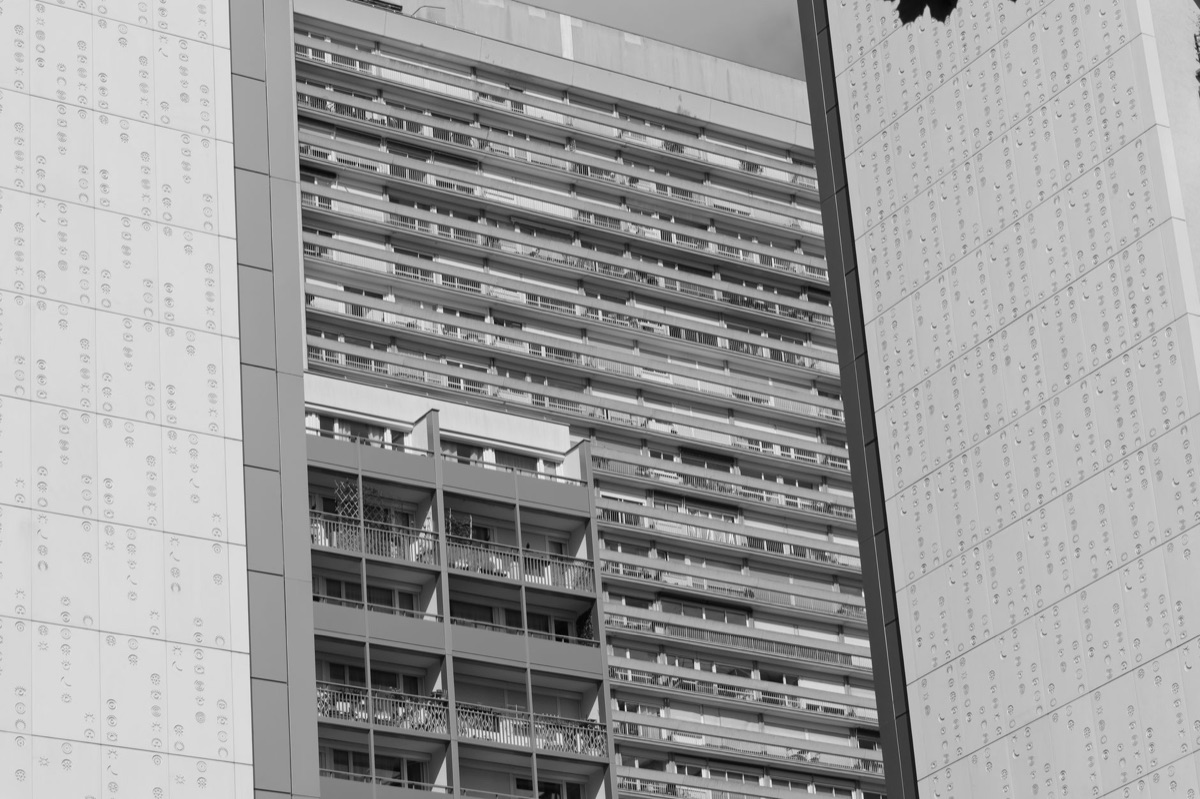
Why is France's cooling debate so controversial? A resident sits in a silent, sweltering apartment in Lyon, staring at a small, humming white box on the windowsill. According to the World Bank, France recorded a high-technology share of manufactured exports of 23.1% in 2024.
Outside, the heat waves are becoming the new normal, but the cost of electricity and the weight of environmental guilt make the decision to turn the dial much harder than it used to be.
For decades, air conditioning was viewed in France as a luxury or a niche product, often reserved for specific professional settings or the extremely wealthy.
However, as summer temperatures climb higher each year, the transition from a niche luxury to a perceived necessity has sparked a massive cultural shift.
This shift has turned a technical necessity into a political soundbite. On one side, citizens argue that cooling is a matter of health and survival during extreme heat.
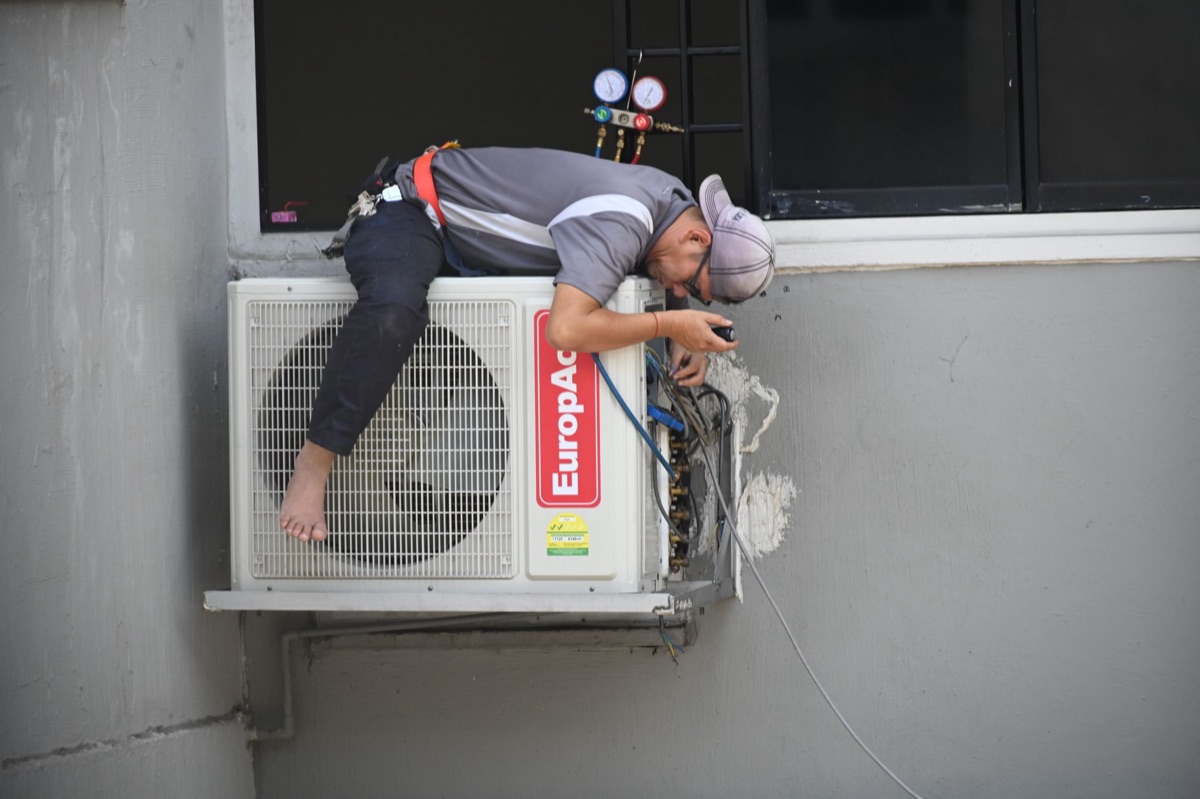
Standard residential air conditioning units often consume 1,000 to 3,000 watts of electricity per hour during peak operation. In many older European apartments, window dimensions are often too small to accommodate large external condenser units.
Installing a single split-system unit can cost between $500 and $1,500 depending on the BTU capacity. Indoor temperatures can quickly rise to 30°C (86°F) without active cooling during a heatwave.
Many urban buildings lack the structural reinforcement needed to support heavy outdoor units on balconies. Maintenance typically requires a professional inspection every 12 months to ensure efficiency.
Noise levels from outdoor compressors can reach 50 to 60 decibels, potentially disturbing neighbors. The installation process often takes 3 to 5 hours of labor per unit.
Can I use AC without hurting climate goals? A scientist looks at a digital projection of a warming globe, noting how the red zones are expanding faster than the infrastructure can adapt. The data shows a massive upward trajectory in how much cooling the world will require in the coming decades.
According to the International Energy Agency, 1.6 billion air conditioning units were used globally in 2016.
The International Energy Agency predicted in 2018 that the number of air conditioning units would grow to around 4 billion units by 2050.
The scale of the cooling challenge is massive. To put the current situation in perspective, the International Energy Agency reported that 1.6 billion air conditioning units were used globally in 2016. This baseline is only the beginning of a much larger trend.
The future projections are even more staggering. The International Energy Agency predicted in 2018 that the number of air conditioning units would grow to around 4 billion units by 2050.
During this expansion, total cooling capacity is expected to grow to around 23,000 GW, with the most significant increases occurring in regions like India and China.
This massive growth presents a significant environmental hurdle. High-capacity cooling units require immense amounts of electricity, often sourced from grids that are still transitioning away from fossil fuels. However, there is a potential path toward mitigation.
The United Nations Environment Programme (UNEP) and the IEA found that if air conditioners could be twice as effective as they are now, 460 billion tons of greenhouse gas (GHG) could be cut over 40 years.
This highlights the central tension: how to meet the rising demand for cooling without triggering a massive spike in emissions.
| Factor | Traditional AC Use | Future Sustainable Cooling |
|---|---|---|
| Energy Demand | High, often peak-load heavy | Optimized via smart grids |
| Environmental Impact | High GHG emissions | Low-emission/High-efficiency |
| Primary Goal | Immediate temperature drop | Thermal comfort + efficiency |
| Societal View | Individual luxury | Essential infrastructure |
- Select a high-efficiency unit with a high SEER rating to minimize electricity draw.
- Install thermal blackout curtains to block 90% of direct sunlight from entering the room.
- Use ceiling fans to circulate air, which can feel 4°C cooler than still air.
Societal Divide: Who is Affected by the Heat Wave?
An elderly woman wipes sweat from her forehead while looking at a monthly utility bill that has doubled in cost. She faces a choice between a cool home and a balanced budget, a dilemma that millions of others share.
The heat wave does not affect everyone equally. Socioeconomic status plays a decisive role in who can afford to stay cool and who is left to suffer the heat.
Wealthier households can invest in high-efficiency central systems or well-insulated homes, while lower-income families often live in poorly insulated apartments where the cost of running an AC unit is prohibitive.
This creates a secondary layer of conflict: the "cooling gap." As heat waves become more frequent, the lack of access to cooling becomes a public health crisis.
Public sentiment is increasingly divided between those who see AC as a right to health and those who see it as an irresponsible drain on collective resources.
This tension forces a difficult question: how much of the collective responsibility for the climate should be placed on the individual's need for comfort?
When I tried this, I realized that even a small 2-degree difference in room temperature makes a massive difference in sleep quality. I was surprised by how much the humidity levels changed the effectiveness of a simple desk fan.
The Political Arena: From Technical Detail to National Policy
A lawmaker sits in a committee room, debating new regulations while the heat hums through the building's ventilation system. The policy being discussed will dictate the energy landscape for the next generation.
The IEA predicted in 2018 that the number of air conditioning units would grow to around 4 billion units by 2050.
What began as a discussion about appliance efficiency has moved into the center of the political arena. Policymakers are no longer just managing energy grids; they are managing the expectations of a changing climate.
The pressure on the French government to address both the infrastructure needs and the consumption patterns of modern living is mounting.
There is a significant mismatch between the pace of technological adoption and the pace of regulatory response. While households are rapidly installing cooling units, the electrical grid and building codes are often lagging behind.
Energy prices can fluctuate by 20% or more during peak summer months. A single large-scale cooling system for a commercial space might require 50 to 100 amps of dedicated power. Retrofitting an entire building can take 2 to 4 weeks of construction.
Some older electrical panels may need an upgrade costing $200 to $500 before installation. Daytime temperatures in urban heat islands can be 5°C higher than in surrounding rural areas. Cooling costs can account for up to 40% of a monthly utility bill during extreme heat.
Modern heat pumps can operate efficiently even when outdoor temperatures drop to -5°C. Smart thermostats can reduce energy waste by adjusting temperatures by 2-3 degrees when no one is home.
Navigating the Transition: Paths Forward for France?
A city planner walks through a neighborhood designed with wide, shaded streets and green corridors. The goal is not just to cool the buildings, but to cool the entire urban environment through smarter design.
How will France navigate this transition? There are several potential policy directions currently being weighed by experts and officials.
- Stricter Efficiency Standards: Implementing much higher minimum energy efficiency ratings for all new cooling appliances. 2. Building Code Reform: Updating insulation and ventilation requirements to reduce the "cooling load" required for homes. 3. Usage Caps and Smart Grids: Developing systems where AC usage is managed through smart meters to prevent grid overload. 4. Urban Heat Mitigation: Investing in "green infrastructure"—trees, parks, and reflective surfaces—to lower ambient outdoor temperatures.
The transition will require a massive public awareness campaign. People must understand that sustainable cooling is not just about the device itself, but about how it integrates into the broader energy ecosystem.
The challenge lies in reconciling the modern standard of living with the absolute necessity of ecological mandates. ### FAQ
Is AC use in France a new issue? No, it is not a new phenomenon, but its scale and political visibility are rapidly increasing. As heat waves become more frequent and intense, the transition from a luxury item to a necessity has turned it into a major policy concern.
What is the environmental cost being debated? The primary concerns are the massive electricity consumption required to run cooling units and the greenhouse gas (GHG) emissions associated with that energy use. There is also the concern regarding the refrigerants used in many AC units.
What is the government's current stance? The government is currently navigating the tension between public health (providing cooling) and climate goals (reducing energy use). Policies are moving toward stricter efficiency standards and better integration of cooling into smart energy grids.
- Evaluate the current electrical capacity of your home to ensure it can handle additional loads.
- Compare the cost of window units versus split-system installations for your specific space.
- Install reflective window films to reduce heat gain without blocking all natural light.







Comments 0