France heatwave cooling debate: How to manage extreme heat
"The heat is no longer just a seasonal discomfort; it is a matter of national survival and social equity."
France is currently grappling with extreme heatwaves that have sparked a fierce debate over cooling rights and infrastructure. This heat crisis has highlighted a significant gap in household preparedness, as only 25% of French households are equipped with air-conditioning units.
This article examines the social background of the heat crisis, the specific regional alerts, and the government's response to the rising temperatures.
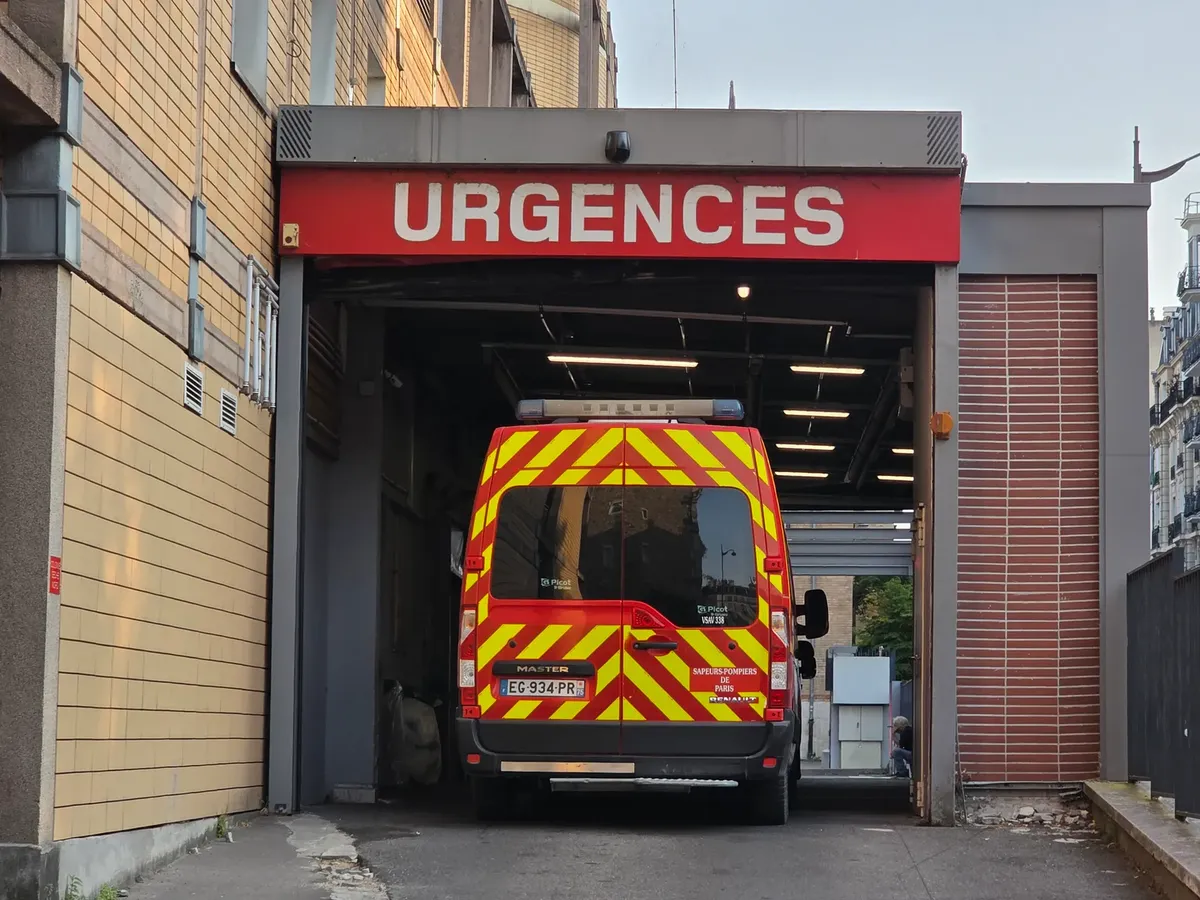
Key takeaways: * France faced extreme temperature peaks, including a record-breaking 44.3 °C in Pissos. * The country issued orange and red alerts across dozens of regions to manage the heatwave. * A low air-conditioning take-up rate of 25% complicates the public health response.
* The French Ministry of Internal Affairs established a hotline to support citizens.
How did the heatwave impact the French landscape?
At high noon, the parched fields of france crack under a heavy sun as the dry wind stings my skin.
A thermometer climbs steadily against a sun-drenched window in a quiet village. The heatwave has caused significant disruption across the country, leading to high-level alerts in various departments.
According to a final report by the German Weather Service (DWD), 46 official weather stations throughout the country recorded temperatures exceeding 40 °C (104 °F) during the height of the heatwave, while 252 stations broke their respective all-time historical records.
The impact of the heatwave is visible through the widespread issuance of weather alerts. Authorities issued orange heatwave alerts across 53 regions, reflecting the severity of the weather.
In certain southern areas, a red alert was issued for four regions as temperatures were expected to peak at 41 degrees Celsius (106 degrees Fahrenheit). These alerts serve to warn the population of life-threatening conditions.
The intensity of the heat was recorded in several locations. Météo-France declared 23 June the country's hottest day since measurements began in 1947. During this period, temperatures reached 44.3 °C (111.7 °F) in Pissos and 42.1 °C (107.8 °F) in Bordeaux.
Additionally, a June record of 40.9 °C (105.6 °F) was documented in Paris.
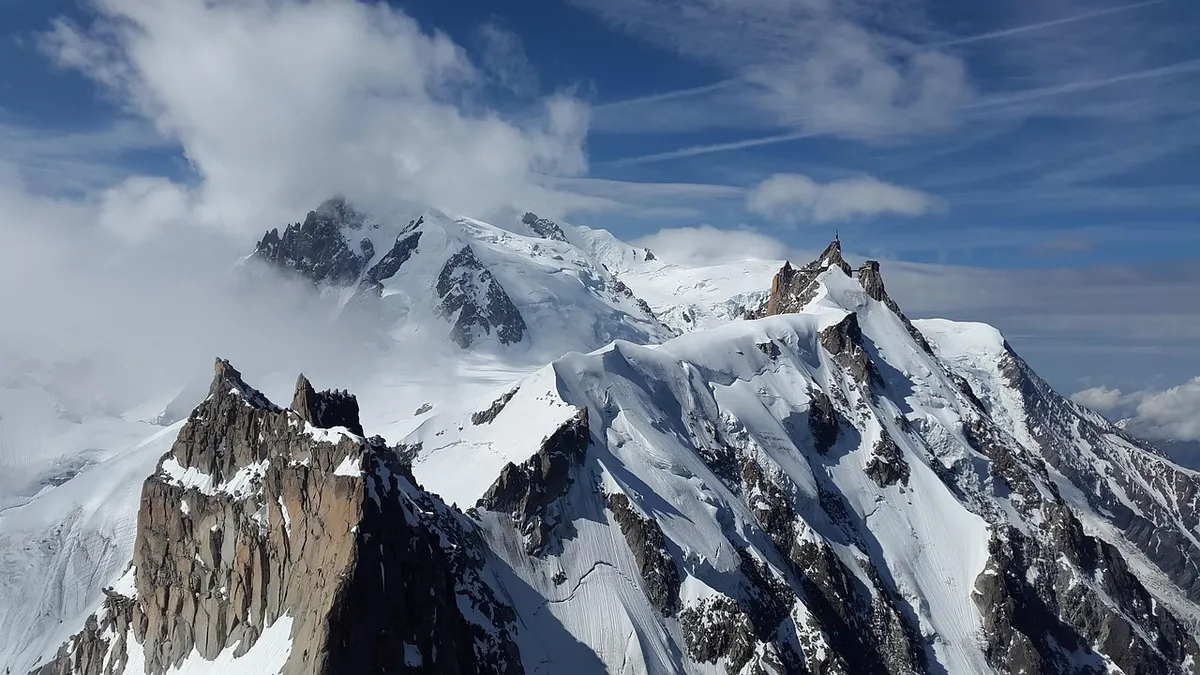
The intense heat has significantly altered the natural terrain and vegetation.
What is the social context of the France heatwave cooling debate?
A citizen wipes sweat from their brow while looking at a silent, non-functional fan. The French election heat crisis has brought the topic of cooling equity to the forefront of political discussion.
The debate centers on the disparity in cooling access among the population. Currently, the country has a low take-up, with only 25% of households equipped with an air-con unit. This stands in stark contrast to other nations where cooling is more common.
To put this in perspective, the following table compares the air-conditioning take-up rates across different regions:
| Region/Country | Household Air-Con Take-up Rate |
|---|---|
| France | 25% |
| Spain and Italy | 50% |
| US and Japan | 90% |
This disparity fuels the cooling rights social issue, as citizens question the accessibility of relief during extreme weather. While some families can retreat to cooled environments, a large portion of the population remains vulnerable to the rising heat.
In this sequence, the second point is the most extensive.
How is the government managing the heat crisis?
I grip the telephone tightly in a dim office in france as the midday sun burns through the window.
An official sits at a desk, monitoring weather data and coordinating emergency responses. The government has implemented specific measures to manage the immediate risks of the heat.
The French Ministry of Internal Affairs has established a toll-free information hotline to provide citizens with guidance and support during the heatwave. This tool aims to provide real-time information to those affected by the extreme temperatures.
Addressing the cooling rights social issue requires more than just information. The government must balance immediate relief with long-term infrastructure needs. This response is critical as the heatwave affects diverse demographics across the nation.
The administration is implementing various oversight measures to stabilize the situation.
What are the practical steps for citizens to follow?
A person checks their water supply and adjusts their window shutters against the midday sun. Managing personal safety during a heatwave requires consistent and proactive actions.
To stay safe during extreme heat, follow these steps:
- Monitor official weather alerts from Météo-France to stay informed about local conditions. 2. Utilize the government-established toll-free information hotline for guidance and support. 3. Seek out cool environments or community centers if your home lacks air-conditioning.
Always perform a final check of your surroundings to ensure that vulnerable family members or neighbors are also staying hydrated and cool. These steps can help mitigate the risks posed by the rising temperatures.
- Stay hydrated by drinking water frequently.
- Seek shade or air-conditioned environments during peak hours.
- Check on elderly neighbors or family members regularly.
What are the limitations of current cooling strategies?
A technician inspects an outdoor air-conditioning unit during a late afternoon inspection. The current cooling infrastructure poses challenges for the entire country.
A major limitation is the low level of residential cooling equipment. Because only 25% of households have air-conditioning, the infrastructure is not yet prepared for sustained extreme heat events. This creates a significant vulnerability for the majority of the population.

The French election heat crisis and the resulting heatwave demonstrate the need for better preparedness. While the hotline provides immediate support, it does not solve the underlying issue of low air-conditioning penetration.
Current methods face challenges regarding infrastructure and energy availability.
Wikipedia: 2026 European heatwaves Based on the retained excerpt mentioning Republican Centre: This historical maximum was reported in the town of Pinsk, with a recorded temperature of 40.4 °C (104.7 °F) between 2:00 pm to 2:20 pm on 29 June, as reported by the Republican Centre for Hydrometeorology, Control of Radioactive Contamination and Environmental Monitoring.
Related
How does the heat condition affect social equity? The heat crisis underscores a profound issue of social equity regarding access to relief. The low air-conditioning take-up rate means that certain populations face the heat longer and more severely than others. This disparity in cooling access translates directly into unequal vulnerability during extreme heat events.
The comparison between France's 25% take-up and the 90% rate in the US and Japan illustrates this inequity. Those without personal cooling mechanisms are disproportionately affected by the heat, making the heat a matter of social justice.
Citizens question the accessibility of relief when the heat becomes unbearable, especially when many households lack the necessary equipment. This situation demands a response that addresses the inherent inequalities brought to light by the heat.
Disparities in access to cooling resources highlight existing social inequalities.







Comments 0