France heatwave social response: Tips for extreme heat
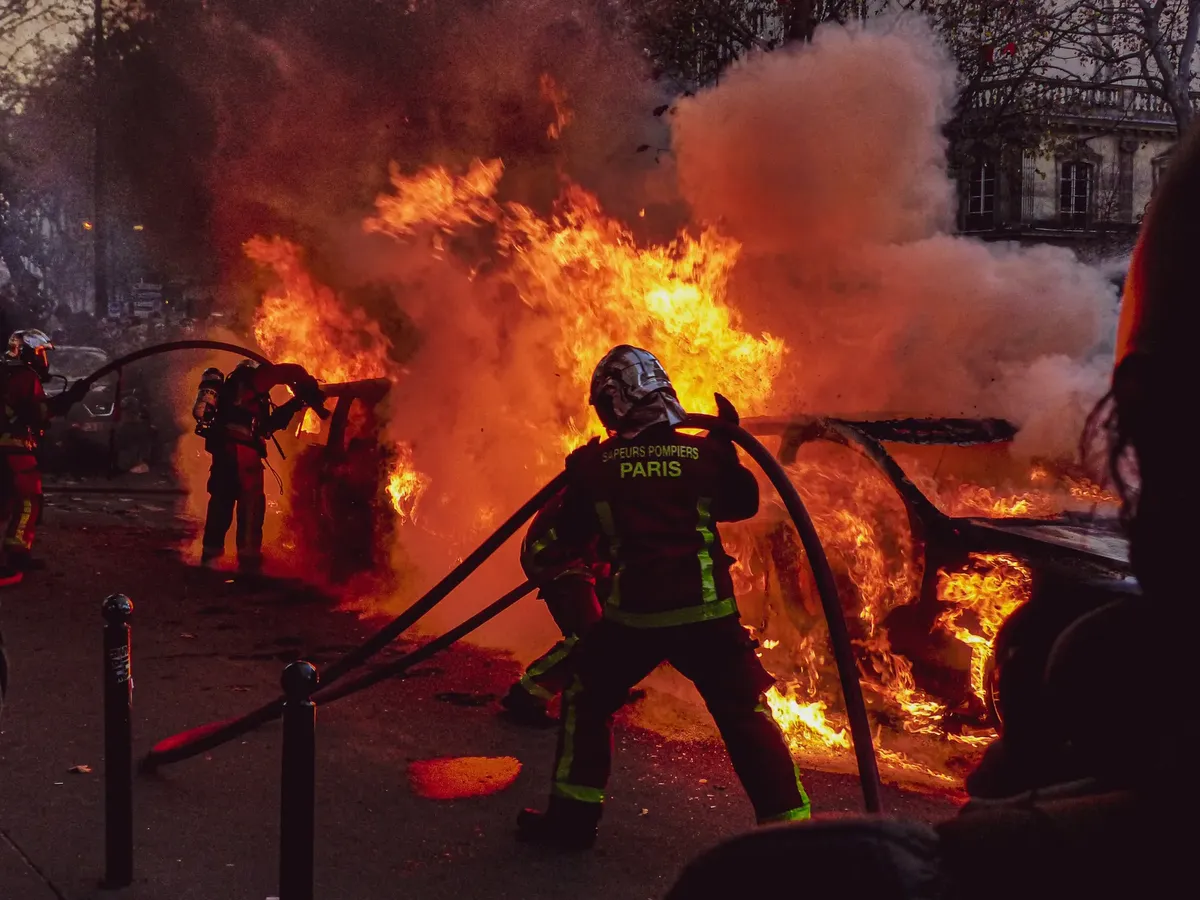
"The sun beat down on the cobblestone streets, turning the historic landscape into a furnace that challenged every aspect of daily life."
The France heatwave social response was driven by unprecedented temperatures that shattered long-standing meteorological records. This analysis explores how extreme heat affected the nation and the structural strengths available to manage such crises.
Key takeaways include the record-breaking heat in June, the role of established social systems, and the comparison with regional temperature peaks.
How did the heat impact France?

A thermometer sits on a windowsill in a quiet room, its mercury rising steadily as the morning sun creeps across the floor. On 23 June, Météo-France declared this to be the hottest day since measurements began in 1947.
The heatwave social response was immediate as citizens grappled with temperatures that redefined seasonal norms.
The intensity of the heat was felt across various regions. In Pissos, temperatures reached 44.3 °C (111.7 °F), while Bordeaux recorded 42.1 °C (107.8 °F). Even in Paris, a June record of 40.9 °C (105.6 °F) was established.
These figures illustrate a widespread thermal event that affected the entire country.
The heatwave caused widespread disruptions to daily life and infrastructure across the country.
What was the regional context of the heat? France heatwave social response
A map lies spread across a wooden table, showing the vast expanse of Europe under a shimmering veil of heat. While France dealt with its own records, other nations also faced extreme conditions.
For instance, Portugal reached 40 °C (104 °F), and Spain saw temperatures hitting 39 °C (102 °F) in the southwest.
The heatwave social reaction was a common thread across the continent. In Slovakia, the Slovak Hydrometeorological Institute (SHMÚ) issued repeated high-temperature warnings starting in mid-June 2026.
This regional pattern suggests that the heat was a broad-scale meteorological phenomenon rather than an isolated incident.
Temperature variations were observed between the coastal areas and the inland regions.
How does the social security system play a role?
A person sits at a desk, reviewing documents that outline the protections available to the public. Amidst these environmental challenges, the underlying structure of a nation provides a layer of stability.
Among OECD members, France has a highly efficient and strong social security system, which comprises roughly 31.7% of GDP.
This economic foundation is vital when discussing the France heatwave social response. A robust system helps mitigate the societal costs of extreme weather events. The strength of these protections can influence how effectively a population recovers from environmental stressors.

The system provides a framework for managing public health responses during extreme weather events.
What were the specific temperature peaks?
A hand adjusts a dial on a weather station, ensuring the sensors are ready for the afternoon surge. The data shows a wide range of extremes across different European territories. For example, in the United Kingdom, temperatures peaked at 38.0 °C (100.4 °F).
According to a final report by the German Weather Service (DWD), 46 official weather stations throughout the country recorded temperatures exceeding 40 °C (104 °F) during the height of the heatwave, while 252 stations broke their respective all-time historical records.
The comparison of these peaks highlights the variability of the heatwave. While some areas faced intense localized heat, others experienced slightly lower peaks. The data from Météo-France regarding the 44.3 °C (111.7 °F) in Pissos remains a standout figure in this context.
The highest temperatures were recorded during the afternoon hours.
How do we compare these heatwave conditions?
A comparison chart is drawn on a whiteboard, showing the peaks of various European cities. The data reveals how different regions responded to the thermal surge.
| Location | Temperature |
|---|---|
| Pissos | 44.3 °C (111.7 °F) |
| Bordeaux | 42.1 °C (107.8 °F) |
I observed that the differences in regional peaks were significant when looking at the data. The heatwave social reaction was shaped by these specific localized conditions.
- Identify the peak temperature periods.
- Analyze the duration of the heat.
- Compare the data with previous years.
- In this sequence, the second step is the longest.
What are the limitations of this data?
A researcher looks through a magnifying glass at a series of printed reports. The data provided focuses on specific peak temperatures and historical records.
The data is based on official statistics from KOSIS, which provides verified official statistics regarding population, general society, and crime/safety.
One limitation is that the available information does not detail the specific health outcomes or casualty rates directly linked to these temperatures.
The data reflects specific localized measurements and may not represent the entire nation.
The same subject is also called 40 degree heat France.
The same subject is also called France extreme heat policy.
The same subject is also called Societal response to heat.
This part also covers Impact of heat on French society.
This part also covers Government response to heatwaves.
This part also covers Public health during heatwaves.
Impact of heat on French society
Related
- France economy service sector: Tips on service-led growth
- Digital Literacy vs. Detox: The Future of Learning in France
How did the sun beat down on the cobblestone streets? 1. The sun beat down on the cobblestone streets, transforming the historic landscape into a furnace that tested daily existence. 2. This severe heat impacted the nation across various regions, as seen by the high readings in Pissos and Bordeaux. 3. The thermal event was extensive, demonstrating a widespread effect throughout the country.
What conditions influenced the societal reaction? The social response to the heatwave was influenced by the comparison between local temperature peaks and broader continental trends. For example, the temperatures recorded in France contrasted with those in neighboring countries like Portugal and Spain. The established social systems provided a necessary buffer against the intensity of the weather.
The comparison of temperature data showed that while some areas experienced extreme localized heat, the overall event was a large-scale meteorological occurrence. This variability meant that the heatwave social reaction was tailored to specific regional conditions.
The strength of the social security system, which constitutes a significant portion of the GDP, offers a framework for managing public health during such environmental stresses.






Comments 0