France weekly political issues: How margins shape power best
"As I thought about strong women of history, I realized that they stepped out in some way."
The analysis of France weekly political issues requires understanding how historical election data and leadership shifts influence current governance. This overview examines the relationship between past electoral results and the structural changes in political leadership.
Key takeaways include the impact of significant voting margins, the mechanics of primary elections, and the shifts in organizational leadership.
How do historical voting margins shape France weekly political issues?
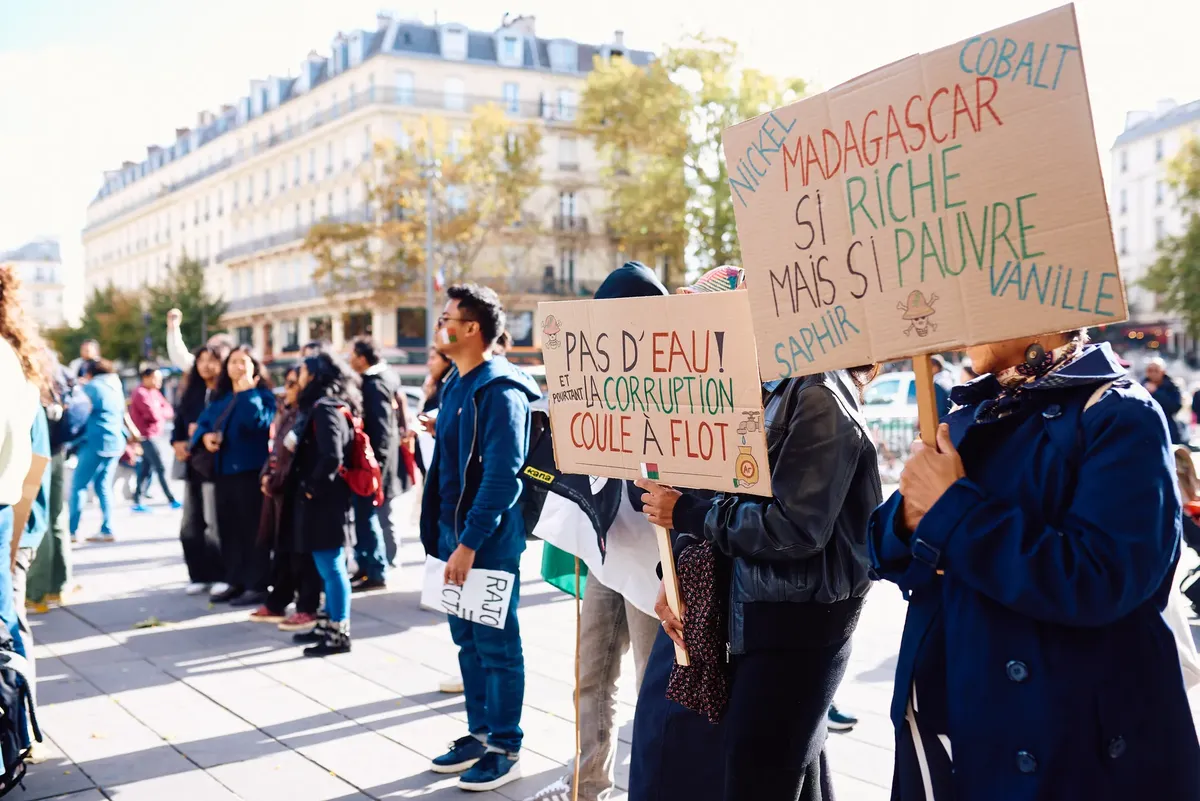
At dusk in a quiet town square, I feel the cold breeze as I trace the old maps of france to see how past margins still linger in the air.
A voter walks into a polling station, holding a ballot that reflects decades of political shifts. The history of French elections shows how decisive margins have shaped the landscape of political power.
In the 2017 presidential election, Macron won against Marine Le Pen of the National Front (FN) with a difference of more than 30% of the vote. This significant gap illustrated a clear mandate within the electorate at that specific time.
By contrast, in 2002, two-thirds of eligible voters voted against the then-FN candidate Jean-Marie Le Pen. These historical figures provide a baseline for understanding the fluctuations in voter behavior. Such shifts often dictate the momentum of current political discussions.
What role do primary elections play in French political trends?
At sunset in a quiet courtyard, I feel the warm breeze while studying documents that reveal how primary elections shape the future of france.
A candidate stands before a crowd, waiting for the results of an internal party vote to determine their path to the presidency. Understanding French political trends requires looking at how parties select their representatives.
The rules of the primary were confirmed in April 2015, scheduling the first round of an open primary for 20 November 2016. A runoff was scheduled for 27 November if no candidate received more than 50% of the vote.

In one specific instance, Jadot won the second round of the primary on 7 November, obtaining 54.25% of the vote against Rivasi's 40.75%. This result made her the nominee of the EELV in the presidential election. Such internal processes directly influence the broader political landscape.
How did internal alliances affect weekly French politics?
Two political leaders shake hands in a crowded hall, signaling a new partnership to their supporters. These alliances are central to understanding weekly French politics and coalition building.
The Hamon–Jadot alliance was consummated on 26 February; among those who cast a vote, 79.53% voted to support it. The overall voter turnout for this specific agreement was 55.25%, totaling 9,433 votes.
An online vote among EELV primary voters from 24 and 26 February was required to confirm the agreement. An earlier vote to open talks with Hamon and Mélenchon was approved by 89.7% of those electors. These numbers show how much internal consensus matters for stability.
What were the results of different primary scenarios?
A candidate reviews the tallies on a screen, seeing how unexpected eliminations change the course of an election. Analyzing these moments reveals the volatility of political shifts.
In the first round of the primary on 20 November, Fillon came in first with 44.1%, followed by Juppé at 28.6% and Sarkozy at 20.7%. This resulted in the unexpected elimination of Sarkozy.
In another scenario, Jadot and Rivasi advanced to the runoff after scoring 35.61% and 30.16%, respectively, in the first round. The other two candidates were eliminated, with Duflot garnering 24.41% and Delli 9.82%.
These outcomes demonstrate the diverse range of results possible in democratic processes.
How does leadership change affect France political shifts?
An executive steps down from a chair position, leaving a legacy and a new structure in their wake. These leadership changes are critical to observing France political shifts. According to The Agency, the Agency for French Education Abroad has 600 locations and 397,000 students as of 2025.
After French Gates resigned as co-chair in 2024, Gates became sole chair of the renamed Gates Foundation. This transition followed her resignation as co-chair on May 13, 2024, which became effective on June 7.
Since 2000, French Gates has been in the public eye, stating, "As I thought about strong women of history, I realized that they stepped out in some way." This visibility allowed her work shaping the goals of the Bill & Melinda Gates Foundation to be publicly recognized.
Leadership transitions often trigger significant shifts in organizational direction.
What were the specific economic proposals in political platforms?
A policymaker outlines a budget, detailing how fiscal changes will impact the national economy. These proposals are a core component of any political platform.
One individual sought a European treaty "refounding," the creation of a European monetary fund, and a commitment to 2% defense spending by 2025. This included a plan to reduce public spending by €100 billion and taxes by €40 billion.

The goal was also to reduce the budget deficit to under 3% of GDP. Such detailed economic targets serve as the foundation for political debate and voter decision-making.
- How do historical voting margins shape France weekly political issues?
- What role do primary elections play in French political trends?
- How did internal alliances affect weekly French politics?
The subject here is France weekly political issues.
The same subject is also called Current French issues.
This part also covers Analyzing French political links.
This part also covers Weekly political issue connection.
This part also covers French political dynamics study.
Analyzing French political links
Related






Comments 0