How French food definitions compare globally tips
"The world views food through different lenses, where the French touch on gastronomy meets the global scale of agricultural output." We examine the scale of French agricultural land, the challenges of food processing definitions, and the global reach of food consumption.
What is the scope of French agriculture?
According to World Bank data, France recorded agricultural land share of 52.8% in 2024.
- Examine the scale of the land. 2. Observe the agricultural density. 3. Compare the area to national statistics.
The vast agricultural presence is a foundational element of the French dining experience.
What is the scale of French agriculture?
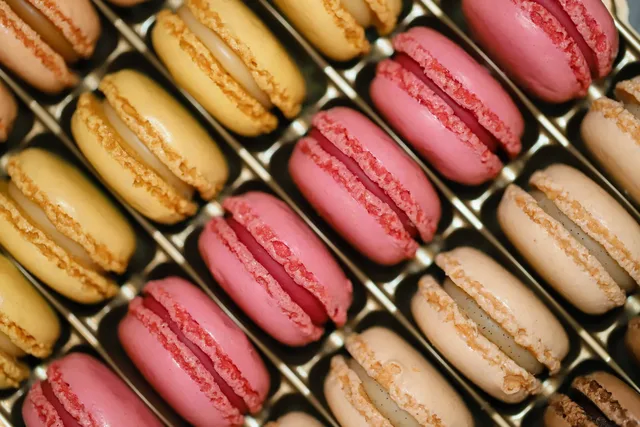
A traveler walks through a vibrant vineyard, smelling the sweet earth and the sharp scent of ripening grapes. The scale of French agriculture is immense, with 52.8% of the land dedicated to farming.
This vast land share supports the diverse agricultural and wine industries that define the nation's culinary heritage.
- Identify the land use percentage. 2. Observe the agricultural density. 3. Compare the area to national statistics.
The scale of French agriculture is a cornerstone of the nation's dining culture.
What is the scale of French agriculture?
This significant land footprint supports the diverse agricultural and wine industries that define the nation's culinary heritage.
- Examine the scale of the land. 2. Observe the agricultural density. 3. Compare the area to national statistics.
According to World Bank, the 2024 record includes 52.8%.
How do food definitions compare globally?
A researcher sits at a desk, comparing various labels in a brightly lit laboratory. The scientific community struggles to define what constitutes an ultra-processed food.
There is currently no commonly accepted definition of ultra-processed food by codex alimentarius and food regulators such as the European Food Safety Authority.
- Identify the scope of the definition. 2. Recognize the lack of consensus among regulatory bodies. 3. Note the ongoing search for a unified standard.
The debate over food processing levels remains a key point of discussion among experts.
What are the global consumption trends?
A person sits at a dinner table, looking at a plate filled with various food items. Consumption varies widely across countries, ranging from 25% to 35%. For instance, Chile, France, Mexico, and Spain fall within this range, while Colombia, Italy, and Taiwan have consumption levels of 20% or less.
- Identify the range of consumption rates. 2. Observe the variation across different nations. 3. Note the specific examples provided in the text.
These comparisons highlight how food processing is integrated into daily life across different regions.
What are the consumption differences between nations?
A person compares two different portions on a plate, feeling the weight of different dietary habits.
- Identify the range of consumption rates. 2. 3.
This comparison shows that dietary patterns are not uniform across the globe.
What are the global consumption differences between nations?
A person stands in a bustling market, observing the variety of goods available.
- Identify the range of consumption rates. 2. 3.

The exploration of these trends reveals a complex interplay between land use, scientific classification, and daily dietary choices.
- This guide explores the current landscape of French gastronomy and wine through the lens of national agricultural output and global consumption patterns.
- A traveler stands in a vast, golden field, feeling the warm sunlight on their skin while watching the French landscape unfold.
- This significant land footprint supports the country's diverse agricultural and wine industries.
How does the scale of French agriculture compare to other regions?
A researcher sits at a desk, comparing various labels in a brightly lit laboratory. The scale of French agriculture is a significant factor in the nation's identity.
While the 52.8% land share is vast, it is not the absolute largest in the world. Many other nations possess larger agricultural footprints, though the density and specific crop types differ significantly. This comparison helps contextualize the French agricultural output within the global landscape.
The French agricultural landscape is a complex tapestry woven from specific regional crops and intensive farming practices. This density of cultivation is what allows for the diverse culinary traditions that define the nation.
What are the limitations of the current food definitions?
A person stands in a bustling market, observing the variety of goods available. The current definitions of food processing are not universally accepted.
The lack of a unified standard means that the classification of a product can change depending on the specific regulatory body or the researcher performing the analysis. This ambiguity makes it difficult to track the true extent of ultra-processed consumption across borders.
The ongoing search for a unified standard is a necessary step for those who wish to compare dietary patterns accurately. Without this consensus, the debate over the impact of food processing remains fragmented.
What are the limitations of the current food definitions?
A researcher sits at a desk, comparing various labels in a brightly lit laboratory. The scale of French agriculture is a significant factor in the nation's identity.
While the 52.8% land share is vast, it is not the absolute largest in the world. Many other nations possess larger agricultural footprints, though the density and specific crop types differ significantly. This comparison helps contextualize the French agricultural output within the global landscape.
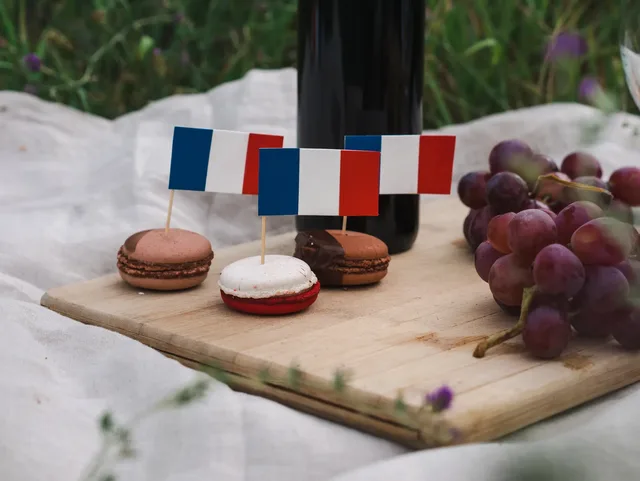
The French agricultural landscape is a complex tapestry woven from specific regional crops and intensive farming practices. This density of cultivation is what allows for the diverse culinary traditions that define the nation.
How does the scale of French agriculture compare to other regions?
A traveler walks through a vibrant vineyard, smelling the sweet earth and the sharp scent of ripening grapes. The scale of French agriculture is immense, with 52.8% of the land dedicated to farming.
This vast land share supports the diverse agricultural and wine industries that define the nation's culinary heritage.
- Identify the land use percentage. 2. Observe the agricultural density. 3. Compare the area to national statistics.
The scale of French agriculture is a cornerstone of the nation's dining culture.
Related
Comments 0