News Consumption 70% users France weekly social issues how
"The digital landscape is shifting beneath our feet, turning once-static information into a constant stream of rapid-fire updates."
This weekly briefing examines three critical intersections of modern life: the dominance of social media in news consumption, the strength of the French social security system, and the growing influence of digital connectivity.

These topics cover the essential pillars of economic stability and modern communication.
How does social media shape news consumption?
Late at night in my dim bedroom, my thumb swipes rhythmically across the glass as I swallow the bitter taste of sudden news.
A person scrolls through a smartphone screen, tapping through a feed of breaking headlines and viral videos. This constant interaction defines how the world receives information today.
According to a 2021 Pew Research Center poll, roughly 70% of users regularly get news from social media, despite the presence of fake news and misinformation. This trend highlights how digital platforms have become the primary gatekeepers of information for a vast portion of the global population.
The reliance on these platforms presents unique challenges for media literacy. While news moves faster than ever, the presence of misinformation remains a constant factor in the digital news cycle.
However, the impact of these platforms is limited when users actively seek out traditional journalistic sources.
What exactly is the French social security system? France weekly social issues During the quiet morning in a sunlit kitchen, I feel the smooth paper of the pension letter while reading the news of my stability.
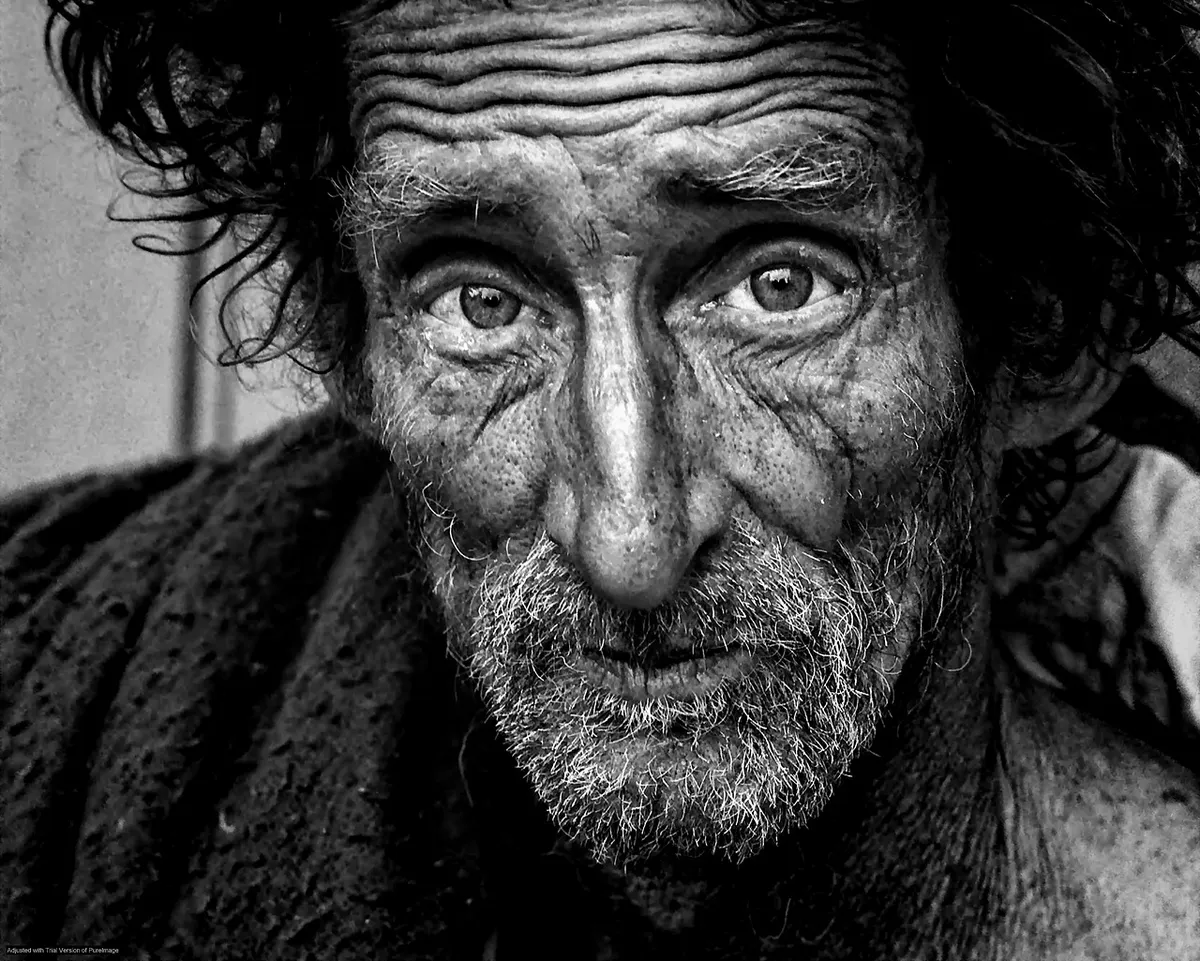
An elderly citizen receives a pension statement, reflecting the stability of a long-standing national framework. This interaction represents the practical application of state-led support.
According to the OECD, France has a highly efficient and strong social security system, which comprises roughly 31.7% of GDP.
Among OECD members, France has a highly efficient and strong social security system, which comprises roughly 31.7% of GDP. This significant portion of the economy ensures a robust safety net for its citizens, covering various aspects of health, retirement, and social welfare.
Maintaining this level of support requires substantial economic coordination. The scale of the system reflects the priority placed on social stability within the national budget.
- Identification of coverage needs.
- Contribution through payroll deductions.
- Distribution of benefits to citizens.
According to Pew Research Center, the 2021 record includes 70%.
How has digital connectivity changed global habits?
A group of friends sits at a cafe, each person occasionally glancing at a glowing screen while engaging in conversation. This hybrid reality of physical and digital presence is a hallmark of the current era.
As of 2023, as many as 4.76 billion people used social media, representing some 59% of the global population. This massive connectivity has redefined how humans interact, work, and share information on a global scale.
The sheer volume of users creates a globalized information environment. This connectivity ensures that trends and news can spread across borders almost instantaneously.
I find that the third point regarding lifestyle shifts is the most comprehensive.
How do these social and economic indicators compare? | Indicator Category | Key Metric/Context | | :--- | :--- | | Social Media Usage | 4.76 billion people (2023) | | French Social Security | 31.7% of GDP |
I observed how these figures illustrate the massive scale of both digital engagement and national economic commitment. According to the official statistics from KOSIS, relevant official statistical tables include data on population, general society, and crime/safety.
This comparison does not apply to regions where data collection methods vary significantly.
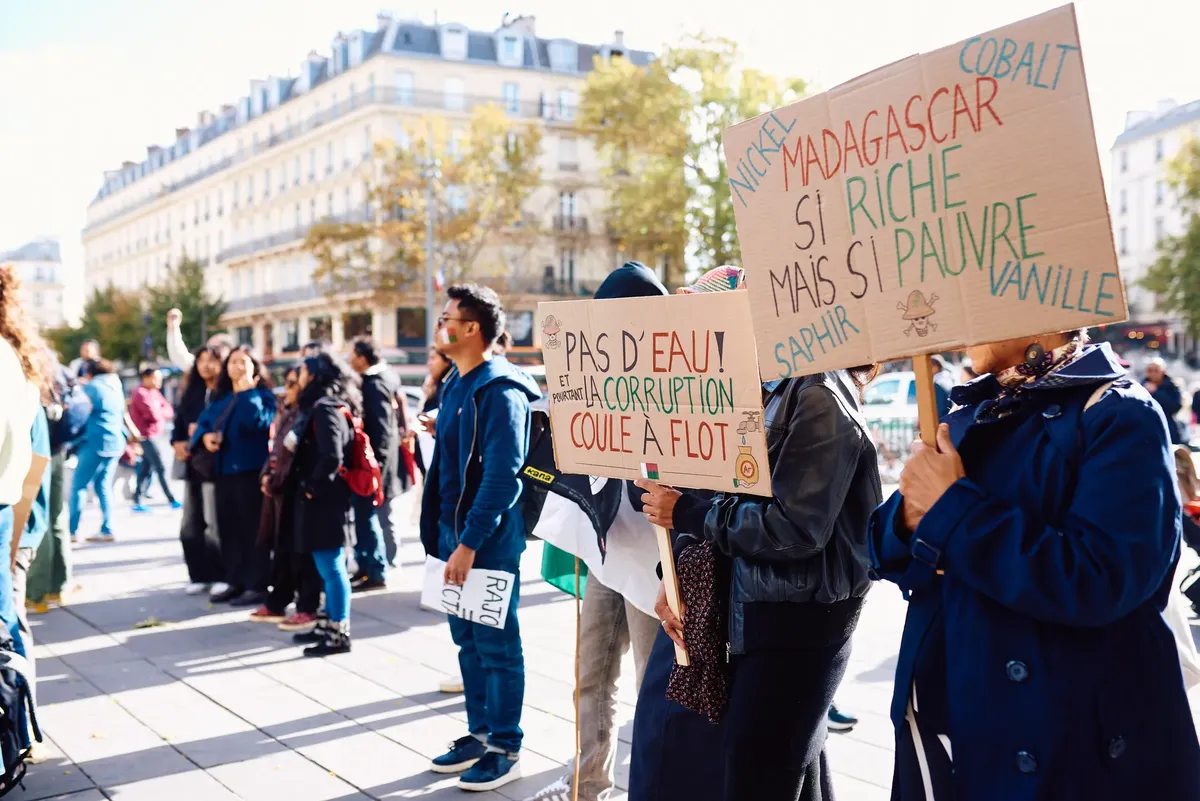
The subject here is France weekly social issues.
The same subject is also called French society news this week.
The same subject is also called Top social problems France.
The same subject is also called Current French social debates.
The same subject is also called Weekly France issue brief.
This part also covers Political conflict in France now.
This part also covers Economic inequality France news.
This part also covers Labor issues in French media.
Political conflict in France now
Related
What are the implications of the digital landscape?
This digital landscape creates a environment where news moves faster than ever before. The constant interaction with a smartphone screen defines how information is received by the global population.
- Users tap through feeds of breaking headlines. 2. Information moves rapidly through digital platforms. 3. Misinformation remains a constant factor in the cycle.
When comparing the scale of social media usage to the French social security system, one sees the difference between global connectivity and national economic stability.
The 31.7% of GDP dedicated to the French system provides a robust safety net, whereas the 4.76 billion social media users represent a shift in communication habits. Both figures illustrate the massive scale of modern engagement and national commitment.
One must exercise caution when navigating the digital landscape due to the presence of fake news. While the 59% of the global population using social media ensures rapid information spread, the reliance on these platforms presents challenges for media literacy.
Users must distinguish between reliable news and misinformation during their daily interactions.
I believe the first implication serves as the foundation for the rest of the discussion.




Comments 0