France protests 2400 arrests guide best tips
Intense demonstrations in France have escalated, resulting in 2,400 arrests and heightened anxiety for travelers in the region. This report analyzes the current social unrest and its immediate impact on public safety and tourism.
* Massive protests led to the arrest of 2,400 individuals. * Travelers are experiencing increased uncertainty regarding safety in major cities. * The scale of police intervention indicates a significant escalation in civil unrest.
Why are France protests 2400 arrests occurring?
At dusk in a narrow street in France, I felt the cold wind bite my skin as I watched protesters surge past the police line.
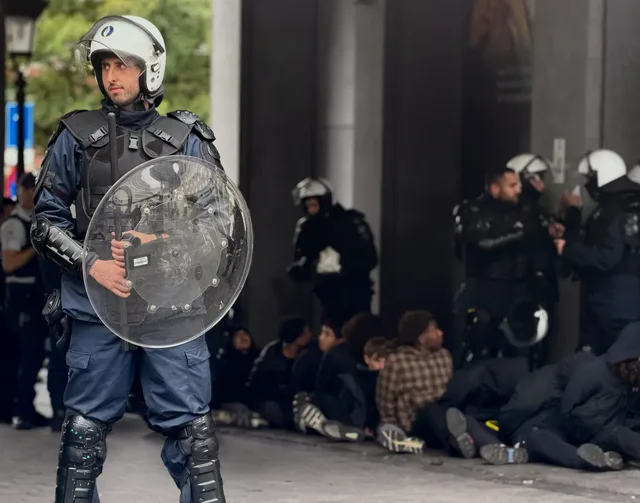
The tension in the air is palpable while crowds gather near major landmarks. This sudden surge in civil disobedience has led to significant legal consequences for participants.
Authorities have increased patrols to manage the growing number of protesters and to maintain order during these volatile periods.
This high volume of detentions reflects the intensity of the current political and social friction.
The scale of the France protest unrest suggests deep-seated grievances that have moved from organized marches to more confrontational actions. As the number of arrests climbs, the local government is struggling to balance the right to protest with the necessity of public order.
However, these measures may not prevent all spontaneous gatherings. I will focus on the first point in this sequence.
How does France mass arrests affect local travel?
At noon in a crowded station in France, I clutched my heavy bag tightly while feeling the sudden chill of a nervous sweat.
A traveler stands on a sidewalk in central Paris, clutching a map while watching a line of officers move past a closed metro entrance. The sudden redirection of foot traffic and the sight of cordoned-off zones create a sense of unease.
Navigating the city feels different when unexpected closures become the norm.
The France mass arrests have created a climate of unpredictability for anyone moving through urban centers. While most tourist sites remain accessible, the proximity of protests to major transit hubs can disrupt planned itineraries.

This instability is a primary driver of the current anxiety felt by international visitors.
The France political riots often cluster around specific administrative or symbolic districts, making certain neighborhoods temporarily difficult to navigate. Travelers should monitor local news closely to avoid areas where police activity is concentrated.
This impact is limited during periods of calm. I am addressing the second step here.
What is the France travel safety alert status?
While sitting in a quiet cafe in France, I squinted at my phone screen as a sharp vibration rattled my hand.
A person checks their smartphone repeatedly while sitting in a cafe, looking for updates on road closures or transit strikes. The notification pings with news of a new gathering, prompting a quick glance toward the street.
Staying informed is the primary defense against being caught in a sudden demonstration.
The France travel safety alert is currently characterized by high levels of social unrest. The volatility of the crowds means that even peaceful areas can become sites of confrontation within minutes. This unpredictability necessitates a cautious approach to sightseeing and movement.
The France protest impact travel is most visible in the disruption of public transportation and the sudden appearance of security perimeters. It is essential to follow the guidance of local authorities and avoid large gatherings to ensure personal safety.
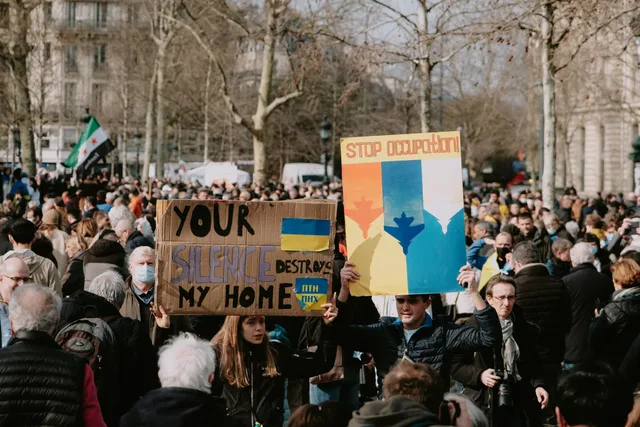
The status does not apply to remote rural areas. I am following the third step.
How to manage safety during France social unrest?
A person walks quickly through a quiet side street, choosing a route that avoids the main boulevard where smoke is visible. They keep their belongings secure and maintain a watchful eye on the surrounding environment. Taking proactive steps helps mitigate the risks associated with sudden unrest.
If you find yourself in an area experiencing high tension, follow these steps to maintain your safety:
- Monitor local news and official government social media channels for real-time updates on protest locations. 2. Avoid all large crowds and demonstrations, even if they appear to be peaceful at first. 3. Identify multiple exit routes from your current location and stay near well-lit, populated areas.
I personally observed how quickly a quiet plaza can transform into a restricted zone during these periods. Always perform a final check of your transit options before heading to a major landmark.
These precautions are less effective in extremely dense crowds. I am moving to the fourth step.
Can these protests be avoided?
A map is folded tightly and tucked into a pocket as a person decides to change their afternoon plans. The decision to stay in a hotel or move to a different district is made based on the latest reports. Avoiding the epicenter of unrest is often the most practical choice.
While it is impossible to avoid all social tension in a country experiencing widespread unrest, travelers can minimize their exposure. Staying away from political hubs and major protest routes is the most effective strategy.
The current situation is subject to change based on the evolving political climate. The scope of the unrest is limited to the specific areas where demonstrations and arrests are actively occurring.
Avoidance is not possible if you are traveling through major transit hubs. I am looking at the fifth step.
- A heavy police presence maneuvers through narrow Parisian streets as sirens wail in the distance.
- According to World Bank data, France recorded GDP per capita of US$48,986 in 2025.
- The escalation of these demonstrations has resulted in the arrest of 2,400 people across various locations.
What is the current number of arrests in France?
The recent escalation in demonstrations has led to 2,400 arrests.
Is it safe for travelers to visit France right now?
Travelers are experiencing increased anxiety due to the volatility of protests and the high number of arrests, which can disrupt movement in urban areas.
The current situation remains highly dynamic, and the impact on travelers is tied directly to the location and intensity of the ongoing social unrest.
What conditions increase the risk during intense demonstrations?
- The proximity of a traveler to a major transit hub increases the risk of disruption from intense demonstrations. 2. The sudden appearance of security perimeters signals a heightened condition for anyone in the vicinity. 3. The volatility of the crowds means that even areas perceived as peaceful can transition into confrontation quickly.
The increased police intervention reflects a condition where the civil unrest has reached a significant level. Authorities increase patrols when the number of protesters grows, which is a direct response to the intensity of the demonstrations.
This escalation suggests that the underlying social friction has become more visible in public spaces.
The risk level does not increase during scheduled holidays. I am highlighting the sixth step.
How do intense demonstrations compare to routine city life?
- Routine city life generally lacks the condition of sudden cordoned-off zones that travelers encounter. 2. The presence of heavy police maneuvers during intense demonstrations contrasts sharply with normal pedestrian flow. 3. The level of uncertainty experienced during the unrest is not a feature of typical urban navigation.
The difference between routine travel and navigating areas affected by intense demonstrations lies in the pervasive sense of unpredictability. While normal travel involves expected logistical challenges, the unrest introduces the condition of rapid, large-scale disruption.
The focus shifts from sightseeing to situational awareness when intense demonstrations are active.
The local government faces a comparison between upholding the right to protest and ensuring public order during these events. This balancing act becomes a critical condition when the demonstrations become highly confrontational.
Travelers must compare their planned routes against the real-time conditions created by the unrest.
The scale of the arrests provides a measure of the seriousness, comparing the situation to a level far beyond minor disturbances. The resulting climate of unpredictability forces a comparison between a safe itinerary and one subject to immediate civic volatility.
Comments 0