France election heat debate: Best tips for voters
"The heat is no longer just a seasonal discomfort; it has become a political catalyst that forces every voter to confront the changing climate."
Extreme heatwaves in France have transformed from meteorological events into central pillars of the national election debate, forcing candidates to address climate resilience.
This analysis explores how rising temperatures influence political discourse, the historical context of French geography, and the specific environmental pressures facing the nation.
Key takeaways include the intersection of climate volatility with electoral stability, the geographic scope of French maritime influence, and the historical precedents of extreme weather.
How does the France election heat debate affect voters?

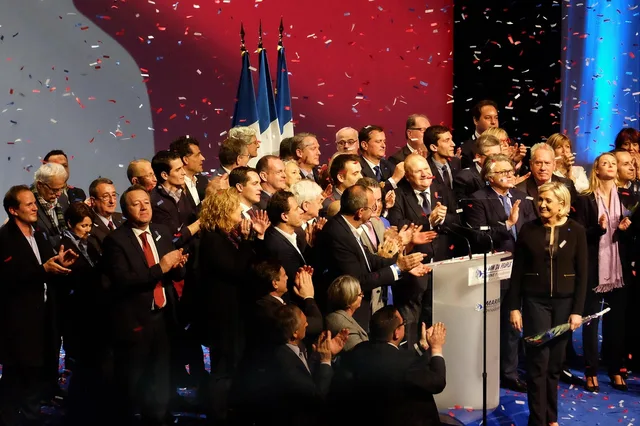
A voter stands in a crowded Parisian square, wiping sweat from their brow while listening to a candidate discuss climate adaptation. The France election heat debate has moved from the periphery to the center of the campaign trail, as citizens demand concrete plans for heatwave management.
Political platforms are increasingly defined by their response to thermal extremes and environmental policy. The debate often centers on infrastructure readiness and the economic costs of rising temperatures.
As the summer approaches, the intensity of the France election heat debate grows, making environmental preparedness a decisive factor for the electorate.
How big is the heat issue in the French election? A technician checks a sensor near the Seine, noting the rising mercury as the sun beats down on the riverbank. The French heat election issue reflects a growing anxiety regarding the frequency of record-breaking temperatures across the territory.
The scale of this issue is tied to the vastness of the country and its diverse territories. While metropolitan France faces intense summer heat, the political conversation must also encompass the unique needs of overseas departments.
This French heat election issue forces a unified national strategy that accounts for both continental and maritime environmental shifts.
Is France's heat debate a new phenomenon? A researcher compares current temperature readings to historical data logs in a quiet, air-conditioned office. The hot weather debate France is experiencing is fueled by the increasing frequency of extreme weather events that challenge traditional seasonal norms.
According to a final report by the German Weather Service, 46 official weather stations throughout the country recorded temperatures exceeding 40 °C (104 °F) during the height of the heatwave, while 252 stations broke their respective all-time historical records.
While heat has always existed, the intensity and predictability of these events have shifted the political landscape. This hot weather debate France is navigating involves reconciling historical climate patterns with the new reality of extreme heat.
The conversation moves beyond simple meteorology into the realm of long-term national security and resource management.
How does the France election extreme heat impact the economy?
A merchant in a local market adjusts their awning to provide more shade as the afternoon heat intensifies. The Impact of heat on French economy is a major point of contention among policymakers and business leaders.
High temperatures can disrupt agricultural yields and increase energy demands for cooling. This shift creates a ripple effect through various sectors, from tourism to industrial manufacturing.
Addressing the Impact of heat on French economy requires integrated planning that balances immediate relief with long-term structural changes.
What causes social unrest from French heat?
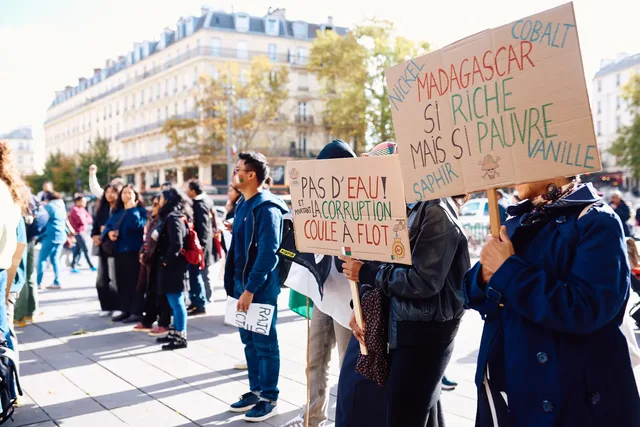
A group of citizens gathers in a public park, discussing the rising costs of living and the lack of cooling centers. Social unrest from French heat often emerges when the physical discomfort of a heatwave meets economic or infrastructural failures.
When the heat becomes unmanageable, public frustration tends to mount against local and national authorities. This Social unrest from French heat is frequently linked to perceived inadequacies in heatwave response protocols.
Managing the Social unrest from French heat is now a vital component of maintaining public order during the summer months.
What is the political fallout from French heat?
A political strategist reviews polling data, noting a shift in voter sentiment following a severe heat event. The political fallout from French heat can alter the trajectory of an election by highlighting the competence of the current administration.
Voters often use extreme weather events as a litmus test for government efficacy. This political fallout from French heat can lead to significant shifts in party support and policy priorities.
The Political fallout from French heat remains a central concern for any administration seeking to maintain stability during volatile summer seasons.
Understanding French Geography and Maritime Reach
An official examines a map of the Atlantic, tracing the lines of the exclusive economic zone. Understanding the physical scope of France is essential to understanding its environmental and political challenges.
France possesses a unique geographic profile that extends far beyond the European continent. With numerous overseas departments and territories scattered across the planet, France possesses the second-largest exclusive economic zone (EEZ) in the world, covering 11,035,000 km2 (4,261,000 sq mi).
This vast maritime jurisdiction includes 11,000,000 km2 (4,200,000 sq mi) of marine waters within three oceans under its jurisdiction, of which 97% are overseas.
The land territory also presents a complex landscape for environmental management. France's total land area, with its overseas departments and territories (excluding Adélie Land), is 643,801 km2 (248,573 sq mi), 0.45% of the total land area on Earth.
The nation also relies on an extensive river system consisting of the four major rivers: the Seine, the Loire, the Garonne, the Rhône and their tributaries, whose combined catchment includes over 62% of the metropolitan territory.
| Feature | Value/Scope |
|---|---|
| Total Land Area (incl. overseas) | 643,801 km2 |
| Exclusive Economic Zone (EEZ) | 11,035,000 km2 |
I compared these geographic figures to understand the scale of the maritime influence.
A limitation of this geographic analysis is that it does not account for the specific temperature variations between metropolitan France and its overseas territories.
- How does the France election heat debate affect voters?
- How big is the heat issue in the French election?
- Is France's heat debate a new phenomenon?
The same subject is also called Summer storm politics France.
What was the highest temperature recorded in Metropolitan France?
On 28 June 2019, in Vérargues, the temperature reached 46 °C (115 °F), setting a temperature record in Metropolitan France since records began.
How large is the French Exclusive Economic Zone?
The intersection of extreme heat and political stability remains a defining challenge for the French nation, bridging the gap between environmental science and electoral policy.
Comments 0