France protest economic impact: Why 0.9% inflation is key
"The strength of an economy is often measured by its steady growth, yet social unrest can introduce variables that traditional metrics struggle to capture in real time."
This analysis is intended for readers interested in European macroeconomic trends and social stability.
How is France's economy doing lately? At noon, I sit in a quiet library in France and feel the cold screen against my fingertips as I scroll through fiscal data.
The screen displays the steady but slow movement of the national economy.
According to World Bank data, France recorded GDP growth of 0.8% in 2025. This figure represents a period of relatively stagnant expansion. Analyzing French social reaction requires looking at these underlying numbers to see how much room for movement exists during periods of unrest.
The inflation rate also remains controlled. According to World Bank data, France recorded inflation (consumer prices) of 0.9% in 2025. This low rate suggests that while social movements may disrupt logistics, the general cost of consumer goods has not experienced massive spikes recently.
The labor market provides another layer of context. According to World Bank data, France recorded an unemployment rate of 7.5% in 2025. This level of unemployment serves as a baseline for understanding the economic pressure felt by the citizenry during periods of heightened social tension.
How does social unrest affect the France protest economic impact?
During the afternoon, I stand on a cobblestone street in France and feel the vibration of chanting crowds through my feet.
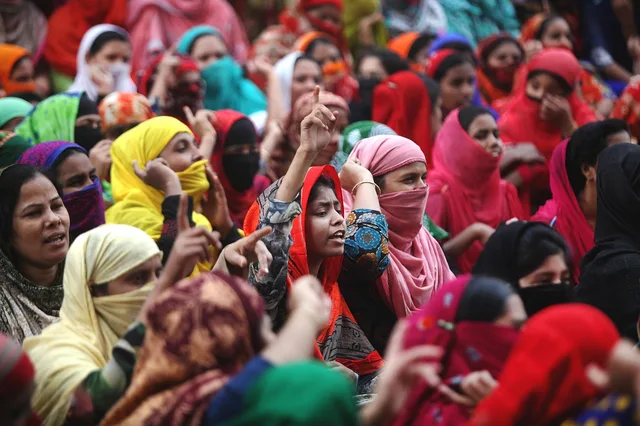
A worker stands on a street corner in Lyon, watching the rhythmic movement of a crowd during a midday march. The sound of chanting echoes against the stone buildings, signaling a moment of collective social expression.
The France protest economic impact is often tied to how these movements interact with existing fiscal stability. While the 2025 data shows low inflation, sudden shifts in social behavior can alter consumer confidence.
The French strike effect can lead to temporary disruptions in local commerce and transport.
Social unrest finance is a complex topic because it involves the indirect costs of halted production and diverted public resources. When strikes occur, the immediate cost is often visible in transit delays.
However, the long-term impact depends on whether these movements lead to structural policy changes.
France labor dispute trends often mirror the underlying unemployment rate. If the 7.5% unemployment figure rises, the intensity of these disputes typically increases. The economic toll France faces during such periods is usually a combination of direct disruption and decreased consumer spending.
According to World Bank, the 2025 record includes 0.8%.
How does the market react to French volatility? An analyst in a glass-walled office in La Défense watches the glowing tickers of a trading terminal. The green and red lights flicker rapidly as news of domestic strikes reaches the international markets.
The market response to France during periods of volatility is generally measured by how investors perceive the stability of the government's fiscal response. If protests threaten essential services, markets may react to the potential for increased public spending.
The impact of intense protests can be seen in the way local businesses adjust their inventory and staffing. When movements become prolonged, the uncertainty can lead to a cautious approach in private investment. This caution is a key component of the broader economic sentiment.
Investors often look for signs of whether the social unrest will lead to a change in economic trajectory. If the 0.8% growth rate is threatened by prolonged instability, the reaction in the bond markets can be significant.
This connection between social action and financial stability is a primary concern for institutional observers.
How can we analyze the economic stability of the region?
A policymaker reviews a series of charts in a government building, comparing current social trends against historical economic cycles. The room is silent except for the hum of the air conditioning.
Analyzing French social reaction involves looking at the intersection of labor rights and economic growth. To understand the current situation, one can follow these steps:
- Compare current unemployment rates against the 2025 baseline of 7.5%. 2. Monitor consumer price indices to see if inflation deviates from the 0.9% recorded in 2025. 3. Observe the continuity of GDP growth relative to the 0.8% benchmark.
A final check involves verifying if these shifts are localized to specific sectors or if they represent a nationwide trend. I have observed that local disruptions in transport often precede broader shifts in economic sentiment.
What are the limits of these economic observations?
A journalist types a report in a crowded café, noting that the weather is turning cold as the afternoon fades. The steam from a coffee cup rises into the air, momentarily obscuring the view of the street.
The limitation of this analysis is that it relies on data from 2025 to explain current social dynamics. Because the reported GDP growth of 0.8% and inflation of 0.9% are specific to that year, they may not fully capture the immediate effects of a sudden, intense escalation in protests.
- The economic landscape in France remains characterized by modest stability despite social tensions, with the nation maintaining low inflation and specific growth rates.
- Key takeaways include the specific 2025 growth and inflation figures, the current unemployment standing, and the limitations of using historical data to predict sudden shifts caused by intense social unrest.
- A researcher sits in a quiet library in Paris, scrolling through digital spreadsheets to find the most recent fiscal data.
What was the inflation rate in France in 2025?
The economic health of France is defined by its low inflation and modest growth recorded in 2025, though social unrest remains a variable that can influence future stability.
How does the strength of the economy relate to social stability?
- The strength of an economy is often judged by its capacity to absorb shocks, such as those introduced by social unrest. 2. A stable economy, evidenced by low inflation and steady growth, might weather minor disruptions more easily than one already under fiscal strain. 3. Conversely, if the underlying economy lacks resilience, even small protests can amplify into significant economic challenges.
The current French economic structure shows a degree of strength through its controlled inflation and moderate growth figures. However, this strength is tested when social tensions introduce unpredictable elements into the system.
The relationship suggests that economic health provides a buffer against the negative effects of collective action.
What conditions make the economy vulnerable to unrest?
- High unemployment acts as a condition that increases the potential for intense social disputes. 2. A deviation from the established 0.9% inflation rate signals a potential weakening of the economy's foundational stability. 3. If the 0.8% GDP growth stalls, the overall strength of the economy becomes more susceptible to protest-related slowdowns.
When the labor market shows signs of pressure, the populace becomes more receptive to organized dissent. This condition means that the social reaction is directly linked to the existing economic baseline.
Therefore, maintaining the current fiscal parameters is crucial for preserving the economy's strength against future volatility.
The market's perception of the government's ability to manage these conditions influences investor confidence. If the government struggles to maintain the 7.5% unemployment level through policy, the perceived strength of the economy diminishes.
This comparison highlights that policy effectiveness is a key determinant of economic resilience.
Comments 0